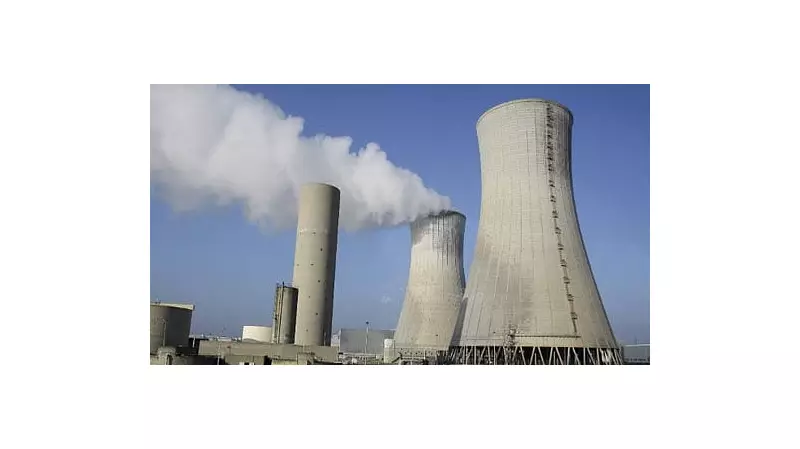
India has set a bold nuclear energy target for the coming decades. The government plans to increase nuclear power capacity to 100 gigawatts by 2047. This year marks the 100th anniversary of India's independence. Currently, the country operates less than nine gigawatts of nuclear capacity.
The Scale of the Challenge
Reaching 100 gigawatts represents a massive expansion. It requires more than eleven times the current nuclear capacity. This ambitious goal demands careful planning and execution. Many experts believe financial investment alone will not suffice.
Key Factors Beyond Capital
Several critical elements must align for success. Infrastructure development poses a significant challenge. India needs to build numerous new nuclear power plants across the country. Each facility requires years of construction and testing.

Technological advancement plays a crucial role. The nuclear sector must adopt modern reactor designs. Safety standards need continuous improvement. Skilled workforce development remains essential. India must train thousands of new nuclear engineers and technicians.
Regulatory and Environmental Considerations
Regulatory approvals present another hurdle. Nuclear projects face strict scrutiny from multiple agencies. Environmental clearances can delay construction timelines. Public acceptance varies across different regions. Some communities express concerns about nuclear safety.
International cooperation will likely prove important. India may need to collaborate with global nuclear technology providers. Fuel supply chains require careful management. Waste disposal solutions need further development.
The Road to 2047
The 2047 deadline allows for gradual progress. However, the timeline remains tight for such a complex expansion. Annual capacity additions must accelerate significantly. Current growth rates appear insufficient for the target.
Government commitment seems strong on paper. Actual implementation will determine the outcome. Monitoring progress through regular reviews becomes crucial. Adjustments to the plan may become necessary over time.
India's energy needs continue growing rapidly. Nuclear power offers clean electricity without carbon emissions. This makes the 100-gigawatt target strategically important. Success could transform India's energy security landscape.
The journey toward 2047 has just begun. Multiple stakeholders must work together effectively. Financial resources matter, but they represent only one piece of the puzzle. Comprehensive planning and execution will decide the final result.