India's Commercial Aviation Fleet Set to Triple by 2035, Airbus Projects Major Growth
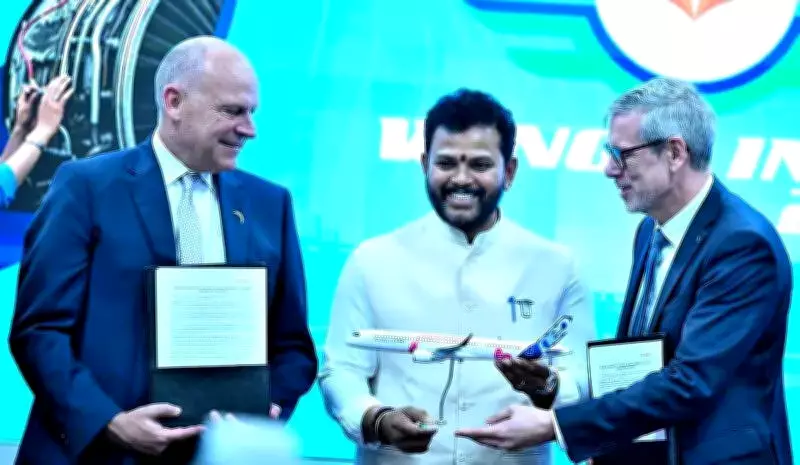
Hyderabad: India's commercial aircraft fleet with more than 100 seats is projected to nearly triple to approximately 2,250 aircraft by 2035, up from around 850 currently. This significant expansion comes as the country solidifies its position as the world's third-largest civil aviation market, according to Jürgen Westermeier, President and Managing Director of Airbus India and South Asia.
Massive Order Backlog and Delivery Targets
Speaking at Wings India 2026, Westermeier revealed that Indian carriers currently have a total order backlog of about 1,700 aircraft. Airbus accounts for a substantial 72% of this backlog, equating to roughly 1,250 aircraft. The European aerospace giant is targeting annual deliveries averaging between 120 and 150 aircraft to India, which translates to about two aircraft per week.
Westermeier emphasized that India already represents more than 10% of Airbus' global annual deliveries, and this share is expected to increase further in the coming years. This underscores the strategic importance of the Indian market for Airbus' global operations.

India as a Nascent Market with Immense Potential
Despite recent impressive growth, Westermeier described India as a "nascent" market, highlighting the current low trips per capita of just 0.13 compared to other regions. However, Airbus anticipates this figure to rise to about 0.27 over the next decade, which would translate to approximately 400 million trips originating from India annually.
The fleet expansion is being driven by several key factors:
- Strong domestic demand for air travel
- Indian airlines' aggressive push to expand their international networks
- A strategic shift towards higher-capacity aircraft, including the A321 family, which is expected to increase seat capacity faster than fleet growth alone
Infrastructure Expansion and Traffic Growth Projections
Airbus expects passenger traffic in India to grow at a compounded annual rate of approximately 8.9% over the next decade. This growth will be supported by a rapid build-out of aviation infrastructure across the country.
Westermeier projected that the number of airports in India is expected to increase to around 200 within 10 years, up from roughly 150 currently. This expansion represents the addition of about 50 new airports to accommodate the surging demand for air travel.
Workforce and Maintenance Requirements
To support this larger fleet, Airbus estimates India will need:
- Approximately 35,000 pilots by 2035, a significant increase from around 12,000 today
- About 34,000 technicians, tripling from the current roughly 11,000
The maintenance, repair, and overhaul (MRO) market is projected to expand substantially from about $3 billion to $9.5 billion over the next decade. This growth will span across airframe, component, and engine maintenance sectors.
Cargo Capacity and Industrial Footprint Expansion
Westermeier added that the growing passenger fleet is expected to naturally expand freight capacity as well. The annual cargo capacity of Indian carriers is projected to exceed 5,000 kilotonnes, representing about three times current levels.
Airbus is actively scaling up its industrial footprint in India, with plans to increase its annual procurement of components and services from the country from $1.5 billion currently to $2 billion by 2030.
Defence Manufacturing Milestone
The Airbus executive also highlighted a significant manufacturing milestone for Airbus' defence programme in India. He announced that the first India-made and assembled C295 aircraft is scheduled for delivery in the third quarter of 2026.
Looking toward future aircraft technologies, Westermeier said Airbus is preparing by investing in raw materials and composites while evaluating additional commodities for the supply ecosystem. This forward-looking approach positions Airbus to maintain its competitive edge in the evolving aviation landscape.