India is rapidly scaling up its battery energy storage capacity, a move that is bolstering the power system's ability to meet surging electricity demand during evening peaks, particularly during heatwaves, according to a report by HSBC Global Investment Research.
Current Storage Capacity and Recent Additions
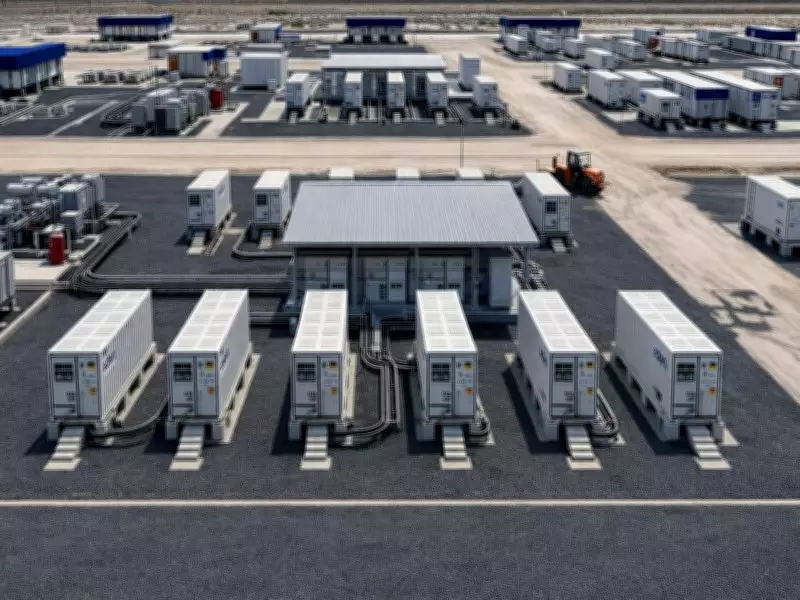
The report states that operational Battery Energy Storage System (BESS) capacity in India has reached 2.7 GW/7.5 GWh. Significant additions were made during May as developers increasingly invest in storage projects to support renewable energy integration.
Contribution to Evening Peak Demand
Energy storage systems are playing a crucial role in catering to evening peak demand. The report highlights that BESS and pumped storage projects (PSP) contributed as much as 4.5 GW at the time of the evening peak of approximately 240 GW at 22:45 on 2 June.

HSBC noted that India's storage pipeline remains robust, with around 42 GWh of projects under construction and another 40 GWh already awarded. The bank expects substantial capacity additions over the next three years as the country strengthens grid reliability while expanding renewable energy capacity.
Power Demand Remains Elevated
Power demand has stayed elevated during the summer months. According to the report, "Even in the first 20 days of June, power demand was up 8.5%, with peak demand reaching up to c260GW in June after recording its highest-ever level of 271GW in May."
The report attributed the higher electricity demand to delayed monsoon rains and persistent heatwaves, which pushed up cooling requirements across several states. It added that average power prices on the Indian Energy Exchange (IEX) also increased during May as demand strengthened.
Renewable Energy and Solar Capacity
On the renewable energy front, HSBC said solar capacity additions moderated after two months of strong growth, although renewable capacity continues to expand steadily. The report also highlighted the implementation of the Approved List of Models and Manufacturers (ALMM) norms for solar cells from June 1.
"As the domestic cell requirement clause kicks in from 1 June 2026, we expect some short-term pressure on module supply and capacity commissioning while manufacturers add capacity," the report said.
Outlook
The report added that while tighter domestic cell availability could temporarily affect module supplies and project commissioning, India's long-term renewable energy and storage outlook remains positive as capacity expansion continues across the sector.