India's E-Waste Management Framework Critically Deficient in Mineral Recovery, Study Finds
A recent comprehensive study has exposed substantial shortcomings in India's existing electronic waste management framework, specifically regarding the recovery of critical minerals. The research indicates that while the country has made strides in handling general e-waste, its policies and infrastructure fail to adequately address the extraction and recycling of minerals vital for modern technologies and sustainable development.
Key Deficiencies in Current Policies
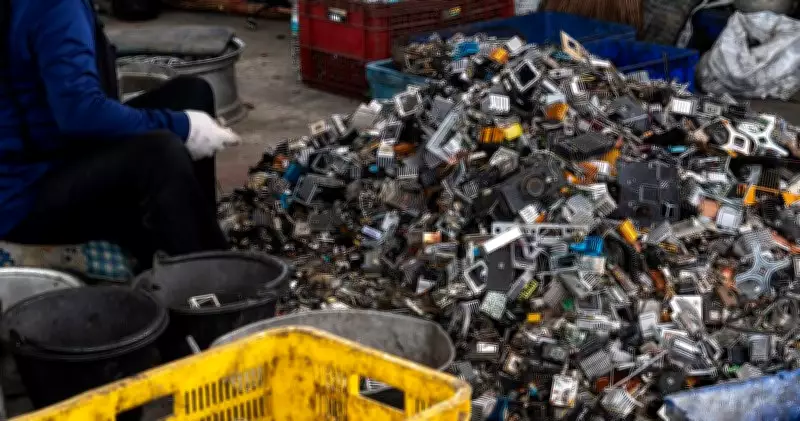
The study meticulously analyzed India's regulatory approach, including the E-Waste Management Rules of 2022, and found it insufficient for tackling the complex challenge of critical mineral recovery. Critical minerals, such as lithium, cobalt, rare earth elements, and nickel, are essential components in batteries, renewable energy systems, and electronics. However, the current framework primarily focuses on basic disposal and rudimentary recycling, neglecting advanced techniques needed to reclaim these valuable resources from discarded devices.
This oversight poses significant economic and environmental risks, as India relies heavily on imports for many critical minerals, making it vulnerable to supply chain disruptions and geopolitical tensions. The study emphasizes that without a robust strategy for mineral recovery, the country misses out on potential economic benefits and hampers its transition to a circular economy.

Implications for Green Technology and Security
The findings underscore broader implications for India's ambitions in green technology and national security. As the demand for electric vehicles, solar panels, and advanced electronics surges, securing a stable supply of critical minerals becomes paramount. The study warns that the existing e-waste management gap could stifle innovation and increase dependency on foreign sources, potentially compromising strategic autonomy.
Researchers point out that enhancing mineral recovery from e-waste could reduce import bills, create jobs in the recycling sector, and mitigate environmental damage from mining. They advocate for policy reforms that integrate mineral recovery into the core of e-waste management, including incentives for advanced recycling technologies and stricter enforcement of existing regulations.
Recommendations for a Sustainable Future
To address these deficiencies, the study proposes several actionable recommendations:
- Revise the E-Waste Management Rules to explicitly include targets for critical mineral recovery.
- Invest in research and development for innovative recycling technologies that can efficiently extract minerals from complex e-waste streams.
- Establish public-private partnerships to build specialized recycling facilities focused on high-value minerals.
- Enhance data collection and monitoring to track the flow of critical minerals in e-waste and improve accountability.
- Promote awareness among consumers and industries about the importance of proper e-waste disposal for mineral recovery.
By implementing these measures, India could transform its e-waste challenge into an opportunity for resource security and sustainable growth. The study concludes that urgent action is needed to align the e-waste management framework with global best practices and domestic strategic needs, ensuring a resilient and eco-friendly future.