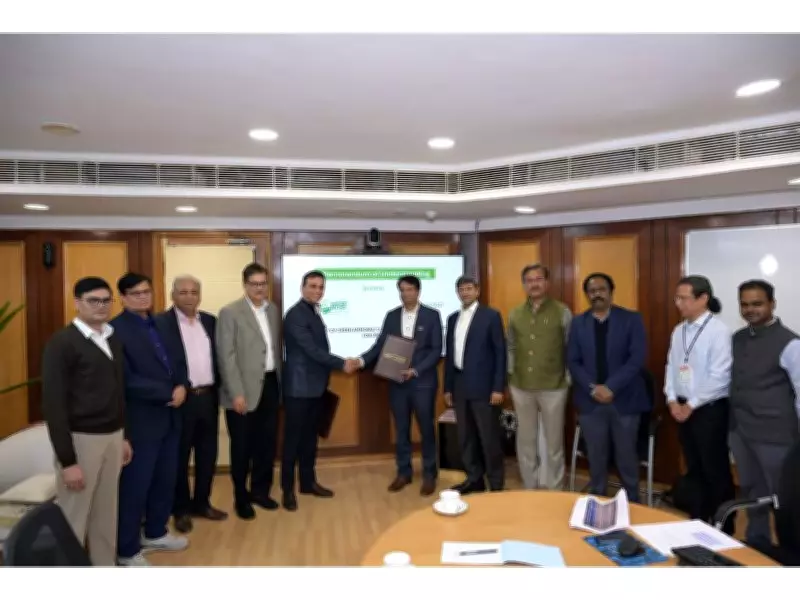
NTPC Green Energy and Assago Forge Partnership for Pioneering Green Urea Facility
In a landmark move for India's renewable energy and agricultural sectors, NTPC Green Energy Limited (NGEL) and Assago have officially signed a Memorandum of Understanding (MOU) to collaborate on the development of the nation's first indigenous green urea plant. This ambitious project is set to be established at the Pudimadaka Green Hydrogen Hub, a strategic location that underscores India's commitment to advancing clean energy solutions and reducing carbon emissions.
Strategic Significance of the Green Urea Initiative
The partnership between NGEL, a subsidiary of the state-owned power giant NTPC, and Assago, a key player in the energy and infrastructure domain, represents a critical step towards achieving India's sustainability goals. Green urea, produced using green hydrogen derived from renewable sources, offers a cleaner alternative to conventional urea, which is typically manufactured from fossil fuels. This initiative aligns with the government's broader vision of promoting green hydrogen as a cornerstone of the country's energy transition and agricultural self-sufficiency.
By leveraging the resources and expertise of both entities, the project aims to:

- Establish a state-of-the-art facility capable of producing green urea on a commercial scale.
- Utilize green hydrogen generated from renewable energy sources, such as solar or wind power, to ensure a low-carbon footprint.
- Contribute to India's efforts in reducing dependency on imported fertilizers and enhancing domestic production capabilities.
- Support sustainable farming practices by providing an eco-friendly fertilizer option that minimizes environmental impact.
Pudimadaka Green Hydrogen Hub: A Catalyst for Innovation
The selection of the Pudimadaka Green Hydrogen Hub as the site for this pioneering plant highlights its role as a focal point for green energy innovation in India. Located in a region with abundant renewable energy potential, the hub is designed to facilitate the production, storage, and distribution of green hydrogen and its derivatives. This infrastructure will be instrumental in powering the green urea plant, ensuring a reliable and sustainable supply chain.
Key aspects of the hub include:
- Integration with existing renewable energy projects to optimize resource utilization.
- Advanced technologies for hydrogen production and storage, enhancing efficiency and scalability.
- Collaboration with local stakeholders to drive economic growth and job creation in the area.
This development is expected to position India as a leader in the global green hydrogen economy, fostering innovation and attracting further investments in the sector.
Implications for India's Agricultural and Energy Sectors
The establishment of India's first indigenous green urea plant holds profound implications for both agriculture and energy. In the agricultural domain, green urea can help farmers adopt more sustainable practices by reducing greenhouse gas emissions associated with traditional fertilizers. This aligns with national initiatives like the National Green Hydrogen Mission, which aims to make India a global hub for green hydrogen production and usage.
From an energy perspective, the project underscores the growing synergy between renewable energy and industrial applications. By converting green hydrogen into urea, the plant will demonstrate the versatility of hydrogen as a clean energy carrier, potentially paving the way for similar ventures in other sectors. Moreover, it supports India's broader objectives of achieving energy security and mitigating climate change through innovative technologies.
As the MOU sets the stage for detailed feasibility studies and project implementation, stakeholders across industries are optimistic about the transformative potential of this initiative. It marks a significant milestone in India's journey towards a greener and more self-reliant future, with the Pudimadaka hub serving as a beacon of progress in the nation's clean energy landscape.