The Evolution of Indian Homes and Electrical Demands
Over the past decade, the way Indians inhabit their homes has undergone a more profound transformation than in the previous thirty years. Homes are no longer mere shelters for rest after work; they have evolved into integrated environments serving as offices, classrooms, entertainment centers, and social venues simultaneously. This shift has subtly but significantly changed electricity consumption patterns, reshaping what people demand from the electrical infrastructure that supports daily life. What we observe today is not a fleeting trend but a gradual behavioral adaptation, with daily routines so altered that even electrical choices now mirror this new reality.
From Part-Time to Full-Time Active Spaces
Historically, electricity usage in residential areas followed predictable rhythms: brief mornings, active evenings, and limited daytime consumption. Today, that pattern has flattened, with homes remaining active throughout the day. Laptops run continuously, lights stay on, appliances operate non-stop, and charging points are in constant use. This consistent, rather than dramatic, load places new pressures on home electrical systems, often exposing faults in products not originally designed for durable, long-term performance. Consequently, homeowners are becoming more conscious, prioritizing reliability and long-term functionality over superficial features.
Lighting as a Core Element of Comfort
Lighting has transitioned from a barely noticed utility to a key factor influencing mood and room usability. With increased hours spent indoors, people now focus on how lighting affects concentration, feelings, and comfort. Work-from-home setups demand eye-friendly lighting to prevent strain, living areas benefit from softer tones for relaxation, bedrooms require calm ambiances, and kitchens need clear, glare-free illumination. As consumers spend more time under artificial light, inconsistencies like flicker, uneven output, or excessive heat are no longer tolerated. This has fostered a more considered approach, with preferences shifting toward layered lighting and regulated beam output rather than mere brightness, emphasizing reliable performance over time.

Switches and Controls: Function Over Form
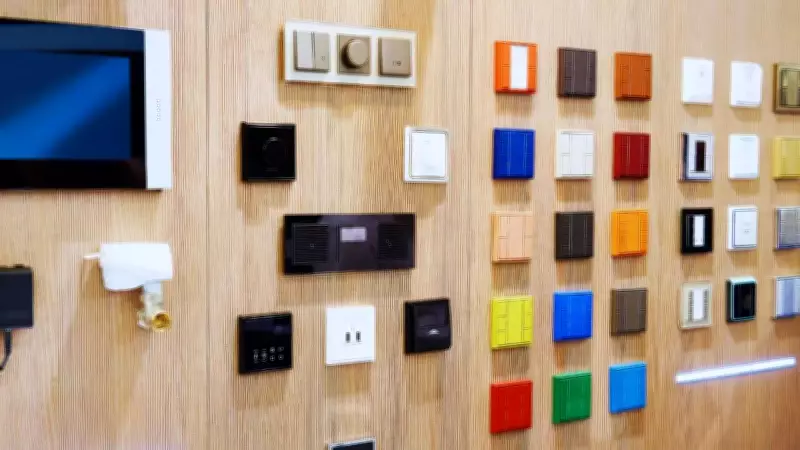
Switches, once among the least considered home elements, are now frequently used touchpoints. Increased electrical usage means switches are pressed repeatedly daily, making users highly aware of their responsiveness. A loose, overheating, or tactile-deficient switch quickly becomes an irritation. As a result, homeowners now scrutinize build quality, internal components, and durability under regular use. While clean design remains important, it is no longer sufficient; what lies behind the plate has become equally critical.
Proactive Safety Priorities
Another noticeable shift is the move from reactive to proactive electrical safety. Previously discussed only after faults, safety is now a conscious priority due to higher appliance usage and increased loads. Homeowners are more aware of risks from poor-quality components, making distribution boards, protection devices, and switchgear serious topics in home planning. People seek systems that quickly respond to faults, manage loads effectively, and protect both appliances and occupants, viewing safety as an everyday assurance rather than an emergency measure.
Smart Features: Natural Integration Over Complexity
While demand for smart electricals peaked, consumers have grown savvier, no longer swayed by complexity alone. They now seek features that seamlessly integrate into daily life, such as dimmers for mood setting, motion-activated lighting for convenience, and voice-controlled switches. Smart solutions are expected to be discreet and non-intrusive, acting as tools that enhance daily routines without complicated steps. This shift in attitude has prompted companies to rethink product development, prioritizing dependability with intelligence as a value-added layer.

Durability as Responsible Living
Discussions on sustainability have become more grounded, with homeowners recognizing durability as key to waste reduction. Long-lasting products mean fewer replacements, reducing material consumption, production energy, and transport emissions. Thus, durability has evolved from a technical feature to a lifestyle value, contributing to sustainability through extended use.
Designing for Indian Conditions
Indian homes operate in demanding environments with heat, dust, voltage variations, and heavy daily usage testing electrical products continuously. Consumers increasingly realize that designs for ideal conditions often struggle here, shifting expectations toward products engineered with local realities in mind. Heat management, insulation quality, and internal robustness are no longer afterthoughts but essential considerations.
A Mature Relationship with the Home
This shift highlights a growing maturity among homeowners, who ask better questions and make informed choices. Electrical planning now occurs earlier in design processes, based on how a home will be lived in rather than just how it looks. Smarter living today is less about adding features and more about strengthening foundations, with India's lifestyle influencing household electrical requirements.
The future lies in innovations delivering reliability, safety, and aesthetic design simultaneously, without constant adjustments. By making informed electrical decisions, homes can become more peaceful, secure, and convenient, embodying the core of smarter living: not more technology, but better choices integrated silently into daily routines.