

India's Energy Crisis: Temporary Return of Kerosene and Coal
In response to escalating tensions in West Asia, India has implemented temporary measures to address disruptions in its energy supply chains. The government has reintroduced kerosene for household cooking and permitted the use of coal and other alternate fuels for hotels and restaurants. This move comes as the conflict has effectively shut the Strait of Hormuz, a critical maritime passage for India's energy imports.
Why India Faces Fuel Supply Pressure
The Strait of Hormuz, a narrow waterway between Iran and Oman, is one of the world's most vital energy transit routes. It carries approximately one-fifth of global oil and liquefied natural gas (LNG) shipments. For India, this corridor is particularly crucial, as the country relies heavily on imports for its energy needs. India imports about 88% of its crude oil, 50% of its LNG, and 60% of its liquefied petroleum gas (LPG), with most of these supplies passing through the strait.
The conflict, which began on February 28 with strikes by the United States and Israel on Iran, followed by retaliatory attacks from Tehran, has halted energy flows through this route. Key statistics highlight India's dependency:

- Over half of India's crude oil imports transit through the Strait of Hormuz.
- Approximately 55% of LPG supplies for cooking arrive via this corridor.
- Nearly 30% of LNG imports also move through this passage.
In the fiscal year 2024-25, India consumed 31.3 million tonnes of LPG, with only 12.8 million tonnes produced domestically. The remainder was imported, with 85-90% coming from countries like Saudi Arabia that rely on the strait for export. While alternative crude oil sources, such as Russia, are available, replacing LPG supplies is more challenging due to the distance of other sources like the United States and Canada.
Government Measures to Manage the Disruption
To mitigate the impact of the supply disruption, the Indian government has introduced a series of temporary measures:
- Additional Kerosene Allocation: States have been provided with an extra 48,000 kilolitres of kerosene, supplementing the regular monthly quota of about 1 lakh kilolitres, to support household cooking needs.
- Alternate Fuels for Hospitality Sector: Environmental regulators have been instructed to allow biomass, refuse-derived fuel (RDF) pellets, and coal as alternate fuels for hotels and restaurants for a period of one month.
- Limited Commercial LPG Supply: Oil marketing companies will allocate 20% of the average monthly commercial LPG demand to ensure essential businesses continue to receive supplies.
- Demand Management: The minimum refill interval for LPG cylinders has been increased to 25 days in urban areas and 45 days in rural areas to curb excessive consumption.
The Significance of Kerosene's Return
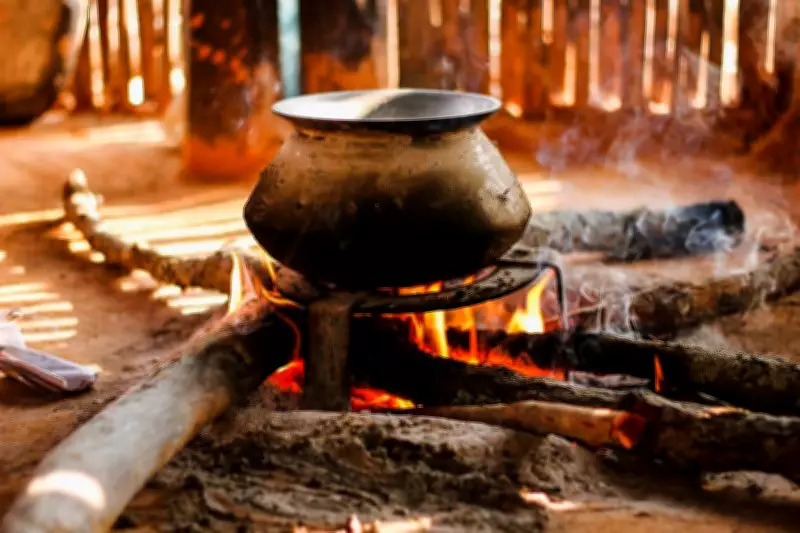
The reintroduction of kerosene is notable because India has spent the past decade phasing out this fuel due to pollution concerns and its misuse in adulterating petrol. Delhi was declared the first kerosene-free city in India on June 17, 2014, as part of an initiative launched in 2012 to replace kerosene with LPG connections, aiming to reduce pollution and fire risks. The Pradhan Mantri Ujjwala Yojana further promoted LPG usage by providing free connections to poor households, especially in rural areas, to cut reliance on firewood and coal.
However, with LPG supplies under pressure, officials have stated that kerosene is being temporarily reintroduced to ensure households maintain access to cooking fuel during this crisis.
Is There a Fuel Shortage?
The government asserts that India is not facing a shortage of petrol or diesel despite the global disruption. Refineries are operating at high capacity, sometimes exceeding 100%, and no petrol pumps or LPG distributors have run dry. India has diversified its crude oil sources to around 40 countries, up from 27 previously, securing supplies from multiple locations.

Pressure on LPG Supplies
Before the crisis, about 60% of India's LPG imports came from Gulf countries such as Qatar, Saudi Arabia, the UAE, and Kuwait. These supplies are now blocked due to the conflict. In response, the government is sourcing LPG cargoes from the United States, Norway, Canada, Algeria, and Russia, in addition to any available Gulf supplies. Domestic LPG production has also been increased by 28% through the redirection of refinery output.
Preventing Hoarding and Diversion
Officials note that a surge in LPG bookings is largely driven by panic buying rather than actual supply shortages. To curb hoarding and diversion, delivery authentication codes will be expanded to cover 90% of consumers, requiring confirmation before cylinders are marked as delivered. A three-member committee will assess genuine commercial demand across sectors and regions, and commercial LPG sales are being regulated temporarily to prevent black-market activities.
What Lies Ahead?
These measures are described as temporary responses to an extraordinary global energy disruption. The government is closely monitoring supply flows and exploring alternative import routes while prioritizing household cooking fuel and essential sectors such as hospitals and educational institutions. The Strait of Hormuz has remained disrupted for nearly two weeks, making this one of the most severe energy supply shocks in recent decades. Officials emphasize that the situation is under control, but vigilance is required as the conflict in West Asia continues to evolve.





