India's Textile Sector Confronts Mounting Waste and Sustainability Challenges
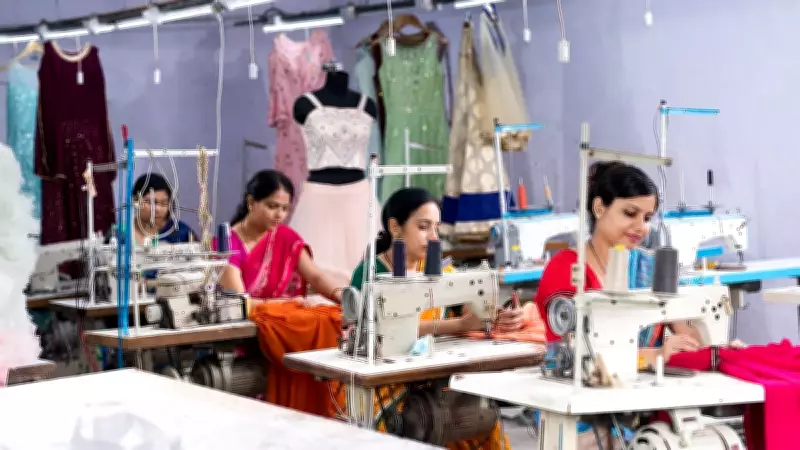
India's textile industry, a cornerstone of the nation's economy, is grappling with a severe waste crisis and a widening sustainability gap. This issue has come to the forefront as global buyers increasingly tighten waste norms, putting pressure on the sector to adopt more environmentally friendly practices.
The Growing Problem of Textile Waste
The lack of a circular approach to handling used and unsold clothes is creating significant new problems for the Indian textile industry. With millions of garments discarded annually, the sector faces mounting waste that strains landfills and contributes to environmental degradation. This waste includes both post-consumer textiles and unsold inventory from manufacturers and retailers, exacerbating the sustainability challenge.
Global Buyers Drive Change with Stricter Norms
International buyers are now enforcing stricter waste norms, demanding greater accountability and sustainable practices from their suppliers. This shift is driven by growing consumer awareness and regulatory pressures in key markets like Europe and North America. As a result, Indian textile exporters must adapt quickly to meet these new standards or risk losing valuable business opportunities.

The sustainability gap in India's textile sector is particularly pronounced due to several factors:
- Inadequate recycling infrastructure for textile waste, limiting the ability to repurpose materials.
- Limited adoption of circular economy principles, such as designing for durability and recyclability.
- High volumes of unsold inventory that often end up as waste rather than being redirected through secondary markets.
- Regulatory gaps in domestic policies addressing textile waste management.
Implications for the Indian Industry
This waste crisis poses serious threats to the competitiveness of India's textile industry. Without swift action, the sector could face reduced export revenues, reputational damage, and increased compliance costs. Moreover, the environmental impact of textile waste, including pollution and resource depletion, underscores the urgent need for sustainable solutions.
To address these challenges, industry stakeholders are exploring various strategies:
- Developing integrated waste management systems to handle textile discards more effectively.
- Promoting circular economy models that encourage reuse, repair, and recycling of clothing.
- Investing in innovative technologies for textile recycling and sustainable production methods.
- Collaborating with global partners to align with international sustainability standards.
Looking Ahead: A Call for Action
The mounting waste and sustainability gap in India's textile sector highlight a critical need for systemic change. As global norms evolve, the industry must prioritize circular approaches to remain viable and responsible. This involves not only technological advancements but also policy support and consumer education to foster a culture of sustainability.
In conclusion, India's textile industry stands at a crossroads, where addressing waste and sustainability issues is no longer optional but essential for future growth. By embracing circular economy principles and adapting to global standards, the sector can turn these challenges into opportunities for innovation and leadership in sustainable textiles.