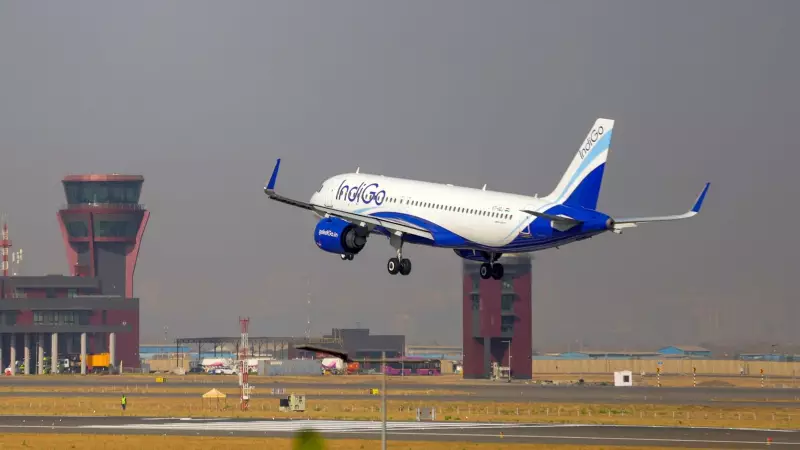
IndiGo has provided firm assurances to India's aviation regulator about maintaining stable flight operations. The airline confirmed it possesses sufficient pilot numbers as specific exemptions from duty time rules are set to expire.
Pilot Numbers Meet Requirements
During a weekly review meeting on Monday, IndiGo presented detailed crew availability figures to the Directorate General of Civil Aviation. For its Airbus A320 fleet, the airline will have 2,400 captains available against a requirement of 2,280. This calculation supports the current flight schedule beyond February 10.
First officer numbers also show a comfortable margin. IndiGo informed DGCA about having 2,240 first officers available against a requirement of 2,050. These figures indicate the airline can maintain operations without significant disruption.

Background of Operational Challenges
Last month witnessed serious operational difficulties for India's largest carrier. The crisis peaked in early December when over 1,600 of IndiGo's daily flights faced cancellation. This disruption highlighted vulnerabilities in crew management systems.
The airline had previously informed DGCA about a shortage of 65 captains for its A320 fleet under new Flight Duty Time Limitation rules. This shortage occurred despite adequate numbers of first officers.
Regulatory Response and Monitoring
DGCA continues close monitoring of IndiGo's operations. The regulator specifically examines pilot roster integrity, crew availability, buffer adequacy, system robustness, and FDTL compliance. This oversight follows the operational meltdown that affected thousands of passengers.
On Saturday, DGCA imposed substantial financial penalties totaling Rs 22.20 crore on IndiGo. This penalty represents the highest-ever regulatory fine imposed by DGCA on any airline. Additionally, warnings were issued to top management personnel.
New FDTL Rules Implementation
Revised Flight Duty Time Limitation rules aim to better manage pilot fatigue. These regulations stipulate increased rest periods and rationalization of flying duties, particularly for night operations. Implementation occurred in two phases during 2025.
The new definition of 'night' now extends from midnight to 6 am, compared to the previous midnight to 5 am period. Among significant changes, pilots operating flights during this six-hour window face a cap of two landings, reduced from six previously.
IndiGo dominates domestic flights during the critical 5-6 am hour. The carrier also accounts for most flights landing or departing between midnight and 6 am. These operational patterns made the airline particularly vulnerable to the new regulations.
Temporary Exemptions Provided Relief
Recognizing the scale of disruption, DGCA granted specific exemptions to IndiGo. These included relief from the new night definition and the two-landing cap for operations encroaching night hours. These exemptions remain valid until February 10, providing temporary operational breathing space.
The airline currently operates over 2,200 daily flights following a government-mandated 10% curtailment of its approved domestic schedule. This reduction continues until March as authorities monitor the situation.
Measures to Address Shortfalls
IndiGo has implemented multiple strategies to address pilot requirements. The airline reports a robust pilot hiring and onboarding pipeline. This recruitment effort should yield sufficient additional pilots by early to mid-February.
Command upgrades for qualified first officers are being accelerated. These promotions to captain positions help cover existing shortfalls and increase pilot buffer strength. Enhanced bench strength improves roster resilience against unexpected disruptions.
As a contingency measure, IndiGo could implement network adjustments if needed. Rationalization of night flights represents one possible approach to achieve roster stability. The airline expects to maintain its current schedule throughout the Winter Schedule ending March 28.
Inquiry Findings and Systemic Issues
A four-member DGCA inquiry committee investigated the causes of December's operational collapse. The committee identified several contributing factors:

- Over-optimization of operations with minimal buffer margins
- Inadequate preparedness for revised FDTL provisions
- Deficiencies in system software support
- Shortcomings in management structure and operational control
The Ministry of Civil Aviation noted the airline's management failed to adequately identify planning deficiencies. Crew rosters were designed to maximize duty periods with increased reliance on dead-heading and tail swaps. This approach compromised roster integrity and reduced operational resilience.
Given IndiGo's dominant 65% domestic market share, any operational disruption significantly impacts India's civil aviation system. Both DGCA and government authorities remain prepared to intervene if necessary to ensure flight operation stability.