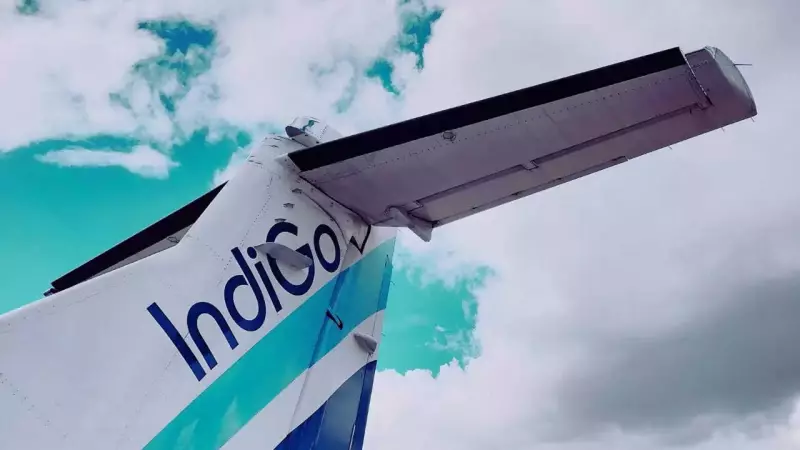
India's aviation sector was thrown into disarray as its largest domestic carrier, IndiGo, experienced a severe operational breakdown, leading to the cancellation of more than 1,000 flights on December 5, 2025. This massive disruption, confirmed by regulators, marks the fourth consecutive day of widespread cancellations and delays, hitting at the start of the nation's busiest travel period and leaving thousands of passengers stranded across major airports.
The Scale of the Disruption
The crisis reached its peak when all domestic departures from Delhi's Indira Gandhi International Airport were grounded until midnight. The chaos quickly spread to other key hubs including Mumbai, Bengaluru, Hyderabad, and Chennai. The airline's on-time performance at major airports plummeted to a shocking 8.5 percent, with airport terminals overflowing with frustrated travelers. Scenes of long queues, protests, and piles of unclaimed luggage became common as communication broke down.
In response to the mounting public anger, IndiGo's CEO, Pieter Elbers, issued a public apology on social media platform X on December 5. He acknowledged the "severe operational disruptions" and outlined a recovery plan. Elbers stated that services would gradually normalize between December 10 and 15, 2025, with a full recovery expected by February 10, 2026. As immediate relief, the airline waived cancellation and rescheduling fees for flights booked between December 5 and 15, promised automatic refunds, and offered support like refreshments, hotel stays, and baggage assistance.

Root Causes: Regulation Meets Operational Reality
The primary trigger for this meltdown was the full enforcement of new Flight Duty Time Limitations (FDTL) norms by the Directorate General of Civil Aviation (DGCA). Designed to enhance flight safety by reducing pilot fatigue, the final phase of these rules took effect on November 1, 2025. Key changes included increasing the weekly rest period for pilots from 36 to 48 hours, redefining night duty from midnight to 6 a.m., and imposing strict limits on night flights.
These well-intentioned safety regulations collided head-on with IndiGo's high-utilization, cost-efficient business model. The airline, known for maximizing aircraft and crew use, operated with a minimal crew buffer—reportedly around 4%—and failed to scale it up adequately despite having over a year's notice before the rules were fully enforced. The sudden need to provide more rest and limit night operations left the airline without sufficient crew to operate its schedule.
Compounding Factors and Regulatory Intervention
The situation was exacerbated by peak seasonal demand in December, a time of holidays, weddings, and festive travel. Winter weather and ground-handling constraints at congested northern airports further strained operations, creating a chain reaction of delays.
Facing intense public and governmental pressure, the DGCA intervened on December 5, granting IndiGo a temporary exemption from some of the stricter FDTL provisions. Specifically, the regulator withdrew the provision that barred substituting weekly rest with leave, restoring a degree of scheduling flexibility to the airline.
Fallout for Passengers and the Aviation Sector
For passengers, the crisis has meant immense hardship. Many remain stranded with next-available flights either sold out or priced exorbitantly high. Airfares on alternative carriers for routes like Delhi-Mumbai and Delhi-Bengaluru have surged. The timing, just before the Christmas and winter holidays, has amplified the distress.
Affected passengers are advised to check their flight status via IndiGo's official website or social media handle (@IndiGo6E). Travel experts suggest that those with plans in the coming weeks monitor flight status closely, explore alternative travel options like trains early, and avoid last-minute bookings until stability returns. This episode has exposed critical vulnerabilities in planning and resilience within India's aviation sector, prompting calls for a more robust approach to managing regulatory transitions and peak-season demand.