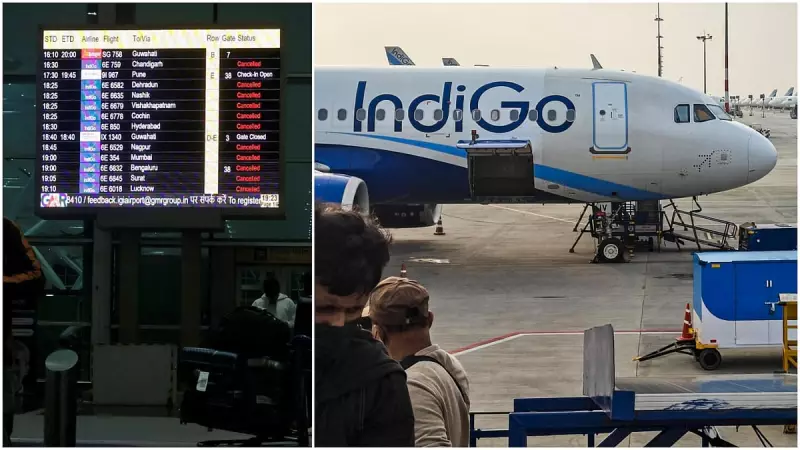
India's largest airline, IndiGo, is grappling with a severe operational crisis that has led to widespread flight disruptions and cancellations across its network. The root cause is a significant shortage of available cabin crew, a situation directly triggered by recent regulatory changes.
The Regulatory Trigger Behind the Chaos
The Directorate General of Civil Aviation (DGCA), India's aviation regulator, implemented revised flight duty time limitations (FDTL) and rostering norms. These changes, which came into effect recently, are designed with a clear priority: to reduce stress and fatigue among flight crew members and enhance overall flight safety. While the intent is commendable, the transition has proven turbulent for the airline.
IndiGo, which operates the largest fleet in the country, has found itself unable to assign sufficient crew to operate its full schedule under these new, stricter guidelines. The rules effectively reduced the pool of crew available for duty on any given day, creating an immediate and substantial resource gap.

Operational Impact and Passenger Fallout
The direct consequence of this crew crunch crisis has been the cancellation of a substantial number of flights. Passengers have faced last-minute disruptions, uncertainty, and inconvenience during the peak travel season. The airline has been forced to consolidate its operations, focusing on maintaining services on key routes while axing others to match its available crew strength.
This incident highlights a critical vulnerability in airline planning. Despite having a large number of crew on its payroll, the new regulatory framework altered the fundamental calculus of how many crew members are legally available to fly at any time. The airline's rostering software and operational plans, built around the older norms, were suddenly rendered inadequate.
Broader Implications for Indian Aviation
The IndiGo situation serves as a stark case study for the entire Indian aviation industry. It underscores the delicate balance between implementing vital safety reforms and ensuring smooth operational continuity. Regulators aim to safeguard employee well-being and passenger safety, while airlines must manage complex logistics and financial commitments.
Moving forward, the crisis emphasizes the need for a more phased and collaborative approach to regulatory changes. It also puts a spotlight on the importance of robust workforce planning and agile rostering systems that can adapt to new requirements swiftly. For passengers, the event is a reminder of the complex dependencies behind seamless air travel.
As of 06 December 2025, the airline is actively working to recalibrate its schedules and crew assignments to comply with the DGCA norms while minimizing passenger distress. The path to normalization will require significant adjustments in its operational strategy.