India's aviation sector faced significant turbulence as the country's largest carrier, IndiGo, was forced to cancel more than 550 flights in a single day, throwing the travel plans of hundreds of passengers into disarray. The massive disruption prompted the airline to approach the aviation regulator with a recovery plan and a request for temporary relaxations in crew duty norms.
IndiGo's Operational Crisis and DGCA Submission
On Thursday, December 5, 2025, IndiGo formally communicated to the Directorate General of Civil Aviation (DGCA) that its flight operations are expected to be fully stabilised only by February 10, 2026. This timeline indicates a prolonged period of potential instability for the airline. Alongside this assessment, IndiGo sought temporary relaxations in the Flight Duty Time Limitations (FDTL) norms, which govern how long pilots and cabin crew can be on duty.
The scale of the cancellations was substantial, with over 550 flights grounded across its network. The airline attributed the cancellations to a confluence of operational challenges, though specific causes were not detailed in the initial reports. The DGCA is now scrutinising the airline's plan to restore normalcy and manage its crew resources effectively during this period.

Political Reaction: Rahul Gandhi Blames Government Policy
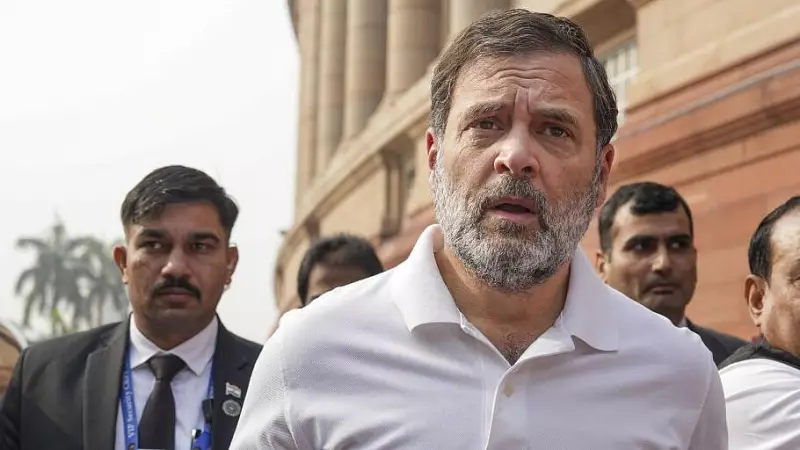
The widespread travel chaos quickly drew political commentary. Congress leader Rahul Gandhi seized upon the incident to criticise the central government's approach to the aviation sector. He labelled the IndiGo fiasco as the "cost of the government's monopoly model," suggesting that policies have favoured certain players or led to a lack of robust competition and resilience in the industry.
Gandhi's statement implies that the current regulatory and market environment, rather than just the airline's internal management, is a contributing factor to such large-scale disruptions affecting the public. This brings the focus onto broader questions of aviation policy and market structure in India.
Impact on Passengers and the Path Ahead
The immediate consequence of the cancellations was severe inconvenience for a large number of passengers. Travel plans for business, leisure, and personal emergencies were disrupted, leading to scenes of frustration at airports. Passengers were left scrambling for alternatives, which are often costly at short notice, or facing long waits for re-accommodation on later IndiGo flights.
With the airline projecting a stabilisation date over a year away, passengers are likely to be concerned about the reliability of bookings in the interim. The DGCA's decision on whether to grant temporary relaxations in duty norms will be critical. While such relaxations might help IndiGo better utilise its existing crew to minimise daily cancellations, they must be balanced with stringent safety oversight to ensure fatigue management is not compromised.
The coming weeks will be a test for IndiGo's operational management and for the regulator's ability to ensure minimal public inconvenience while upholding the highest safety standards in one of the world's fastest-growing aviation markets.