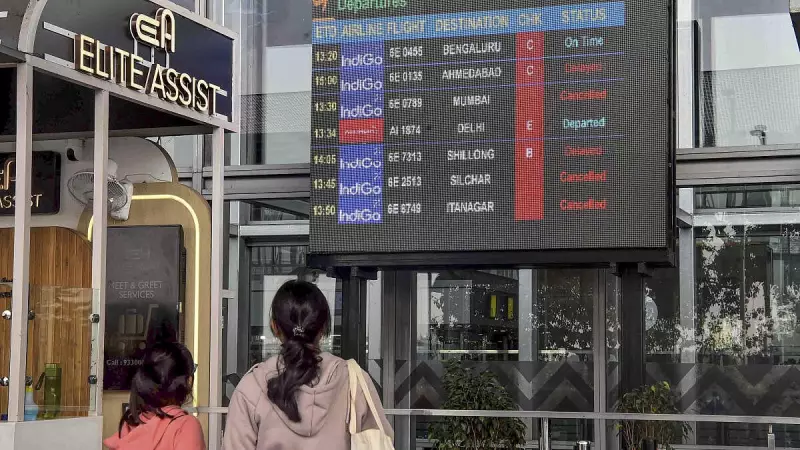
The Indian aviation sector faced significant turbulence this week as the country's largest carrier, IndiGo, was forced to cancel a massive number of flights. The disruption, which began earlier in the week, reached its peak on Friday, December 5, 2025, and Saturday, December 6, 2025, leaving thousands of travelers stranded at airports across the nation.
Scale of the Disruption: Hundreds of Flights Grounded
The crisis was primarily driven by an acute shortage of available cabin crew, leading to a cascading effect on IndiGo's schedule. According to reports, the airline cancelled a staggering 1,600 flights on Friday alone. The following day, Saturday, saw over 800 additional cancellations. In total, the airline scrapped hundreds of flights since the operational issues surfaced, creating chaos at major aviation hubs from Delhi and Mumbai to Bengaluru and Kolkata.
Passenger Plight and Government Response
The sudden and widespread cancellations had an immediate and severe impact on passengers. Countless individuals and families found themselves stuck at terminals, facing uncertainty about their travel plans. Social media was flooded with complaints and images of long queues and crowded airport lounges as flyers scrambled for information and alternative arrangements.

Amid the growing frustration, the government stepped in to address the situation. Authorities confirmed that they were closely monitoring the developments. By the end of the weekend, the government announced that normalcy had been restored at airports across the country. This statement aimed to reassure the public that the worst of the crisis was over and that systems were returning to standard operational rhythms.
Aftermath and Industry Implications
While the immediate operational crisis appears to have been contained, the event raises serious questions about crew management and operational resilience in the fast-growing Indian aviation market. IndiGo, which commands a dominant share of domestic air traffic, has a responsibility to ensure robust contingency plans. Such large-scale disruptions not only damage passenger trust but also have a ripple effect on the entire aviation ecosystem, including ground handling, security, and airport revenues.
The incident underscores the vulnerability of the sector to resource shortages and highlights the need for airlines to maintain adequate staffing buffers to handle unforeseen circumstances. Passengers affected by the cancellations are likely seeking compensation and refunds, adding financial pressure to the airline's logistical challenges.