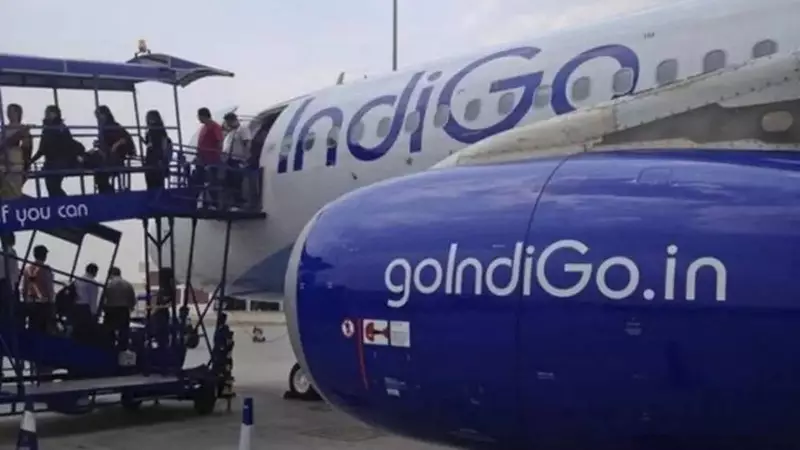
India's largest airline, IndiGo, is finally seeing a glimmer of normalcy after an unprecedented operational collapse last week led to the cancellation of well over a thousand flights, stranding passengers nationwide. The crisis, triggered by a severe shortage of cockpit crew following new regulatory norms, is now showing signs of stabilisation as operations gradually resume at major hubs like Delhi.
What Caused the Massive IndiGo Disruption?
The root of the chaos was a sharp shortage of available cockpit crew, exacerbated by the newly implemented Flight Duty Time Limitation (FDTL) norms. These regulations, designed to enhance pilot rest and safety, forced the airline to ground hundreds of aircraft as it scrambled to comply with the rest requirements. The situation peaked on Friday, December 5, when the airline's on-time performance plummeted and all domestic departures from Delhi were cancelled for the day.
In response to the crisis, the aviation regulator, the Directorate General of Civil Aviation (DGCA), stepped in. It has temporarily granted exemptions to selected rest-duty provisions for IndiGo pilots. This intervention is a critical move aimed at helping the airline restore its normal flight schedule and clear the massive backlog of affected passengers.

CEO's Apology and the Road to Recovery
IndiGo's CEO, Pieter Elbers, publicly acknowledged the severe impact on passengers. He issued an apology, confirming that December 5 was the most severely impacted day, with more than half of its daily flights, numbering over a thousand, being cancelled. While flight operations are steadily resuming, a full recovery to the airline's standard schedule is expected to take some more time.
The immediate consequence of the capacity collapse was a dramatic surge in airfares across the country. With thousands of seats suddenly unavailable, ticket prices on many routes skyrocketed to exorbitant levels.
Airfares: From Sky-High to Gradual Correction
The sudden drop in capacity sent fares soaring on busy routes. For instance, economy seats on the Delhi to Mumbai route, which typically cost between ₹4,400 and ₹6,200, reportedly shot up to an astonishing ₹23,500–₹46,800 for direct flights at the peak of the disruption.
Similarly, on the Mumbai to Bengaluru sector, some one-way fares reached between ₹45,000 and ₹49,000. The Delhi to Bengaluru route also saw spikes, with tickets costing upwards of ₹39,000.
However, with IndiGo now adding more flights back into the system, booking platforms and industry analysts project that fares will begin to ease. The correction is expected to happen in phases:
- Within the next 7 days: Fares are forecast to drop significantly but will remain above pre-crisis levels. For example, Delhi-Mumbai economy fares may range between ₹7,000 and ₹10,000 for off-peak slots.
- After 10-14 days: Prices are expected to return closer to their normal pricing bands. The Delhi-Mumbai route could see fares stabilise between ₹5,000 and ₹7,000.
Despite this positive trend, experts caution that seat availability and pricing may remain volatile in the short term, especially on high-demand routes and during peak travel days, as the airline works through the passenger backlog.
The week-long crisis has underscored the fragile balance in Indian aviation between regulatory compliance, crew management, and maintaining seamless operations for millions of flyers.