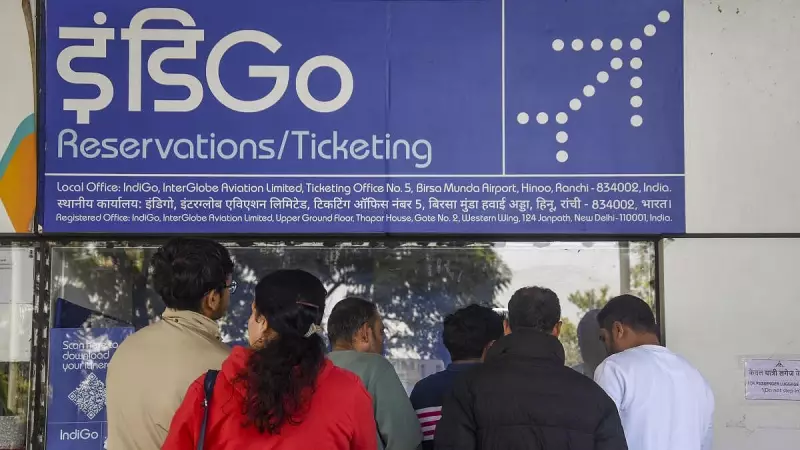
India's largest airline, IndiGo, is navigating significant operational turbulence this December. A combination of recent regulatory changes, persistent staffing challenges, and an ambitious winter flight schedule has exposed critical weaknesses in the carrier's crew management system, leading to widespread disruptions.
The Perfect Storm: Regulatory Changes Meet Operational Pressure
The Directorate General of Civil Aviation (DGCA) recently implemented revised pilot duty-time limitations, aimed at enhancing flight safety by mandating stricter rest periods for flight crews. While well-intentioned, these new rules collided head-on with IndiGo's existing operational framework. The airline, which operates one of the world's most intensive domestic networks, found its crew-planning model severely strained. The changes effectively reduced the available flying hours per pilot, creating an immediate resource gap that the airline's planning algorithms failed to adequately buffer.
Aggressive Scheduling and Staffing Shortfalls Amplify Crisis
Compounding the regulatory challenge was IndiGo's own aggressive winter schedule for 2025. In a bid to capture peak seasonal demand, the airline added a high number of flights, pushing its network and human resources to the limit. This expansion was underpinned by a persistently tight staffing situation, particularly in its cockpit crew ranks. The airline has been in the process of hiring and training new pilots, but the pace has not kept up with its growth ambitions and the new regulatory constraints. The result was a stark mismatch between planned flights and available, legally compliant crew.

Exposing Deep-Rooted Planning Flaws
The events of early December 2025 have laid bare what industry experts call deep cracks in IndiGo's operational planning. The carrier's model, which previously relied on high crew utilization and lean buffers, proved fragile when subjected to simultaneous external and internal pressures. The crisis has manifested in last-minute flight cancellations and delays, causing inconvenience to thousands of passengers during the busy travel season. It highlights a systemic issue where efficiency-driven models can lack the resilience needed to absorb shocks from policy changes or unexpected demand surges.
The situation calls for a major overhaul of IndiGo's crew management and contingency protocols. Analysts suggest the airline must invest in more robust forecasting tools, increase its pilot hiring and training pipeline, and build greater flexibility into its schedules to comply with safety regulations without compromising network reliability. How IndiGo addresses these structural weaknesses will be crucial for regaining passenger trust and maintaining its dominant market position in Indian aviation.