Karnataka's New LPG Cylinder Priority System Sparks Hotel Industry Crisis
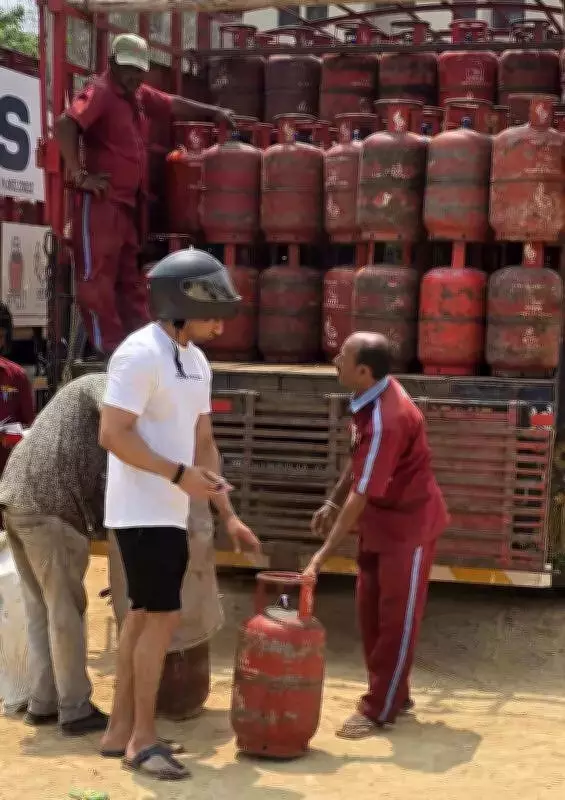
The Karnataka state government's recently implemented priority-based LPG cylinder allocation plan has plunged the hotel sector into a severe crisis. Under this new system, barely 1,000 cylinders will be available daily for the state's massive network of over 100,000 eateries and restaurants. This drastic reduction in supply has left industry representatives alarmed and demanding immediate intervention.
Priority Allocation Leaves Hotels with Minimal Supply
The controversial plan, which was rolled out on Monday following discussions with oil distribution companies, establishes a strict hierarchy for cylinder distribution. Hospitals, student hostels, and educational institutions receive top priority with 60% of the total 7,000 cylinders available daily. Government institutions, including the Karnataka Milk Federation (KMF), come next in the allocation order.
The hotel sector finds itself in the third priority tier with only 14% allocation, translating to approximately 1,000 cylinders for the entire state's hospitality industry. This meager allocation has sparked outrage among hotel owners and restaurant operators who depend on consistent LPG supplies for their daily operations.

Industry Representatives Voice Their Concerns
A representative from the Bangalore Hotels' Association (BHA) expressed deep frustration with the new system. "In Bengaluru alone, there are around 45,000 eateries that require regular LPG supplies to function," the representative stated. "The new cylinder allocation plan completely fails to support our industry's basic needs and threatens the survival of countless establishments."
PC Rao, honorary president of BHA, elaborated on the sector's disappointment. "We had hoped the hotel sector would receive a higher allocation from the 7,000 cylinders being released daily, but the current distribution leaves us struggling. A thousand cylinders for eateries across the entire state simply doesn't help us meet our operational requirements."
Government Response and Supply Constraints
Food and Civil Supplies Minister KH Muniyappa acknowledged the challenging supply situation while defending the government's actions. "The situation on the supply side has been worsening by the day," Muniyappa admitted. "We are implementing this plan based on guidelines approved by the central government to manage the limited resources available."
According to consumption data from oil marketing companies, Karnataka records an average daily commercial LPG demand of approximately 850 tonnes. This translates to roughly 44,000 commercial cylinders (19kg equivalent) needed each day to meet normal demand across all sectors.
Regulated Allocation During Supply Constraints
Following indicative guidelines issued by the Ministry of Petroleum and Natural Gas, Karnataka has placed 20% of its normal LPG supply under regulated allocation during the current supply constraint period. This controlled distribution amounts to 181.3 tonnes per day, or 9,544 cylinders earmarked for priority distribution.
Out of this regulated supply:
- 7,000 cylinders have been allocated for commercial establishments daily
- 2,544 cylinders are reserved for the auto LPG sector
The hotel industry's share of just 1,000 cylinders from the commercial allocation represents a tiny fraction of their actual requirements, creating operational challenges for restaurants across the state.
Industry Plans Formal Appeal
Faced with this critical shortage, the Bangalore Hotels' Association has announced plans to formally appeal to the state's highest leadership. "We will be writing to Chief Minister Siddaramaiah seeking increased allocation to our sector," confirmed PC Rao. The association hopes that highlighting the practical challenges faced by eateries will prompt a reconsideration of the allocation percentages.
The situation has created particular concern in Bengaluru, where the concentration of restaurants and food establishments is highest. Industry experts warn that continued supply constraints could force many establishments to reduce operations or temporarily close, affecting employment and the state's food service economy.

As the hotel sector mobilizes to address this crisis, all eyes remain on how the state government will balance competing priorities while ensuring essential services like food establishments can continue operating. The coming days will reveal whether adjustments to the allocation plan might provide relief to the struggling hospitality industry.