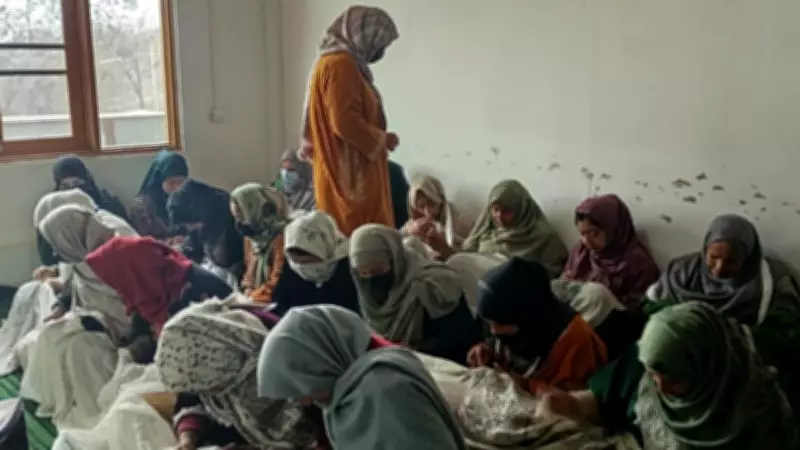
Kashmiri Shawl Artisans Empowered with Upskilling and Market Linkage Training
Artisans specializing in shawl embroidery from Kashmir have undergone comprehensive training programs focused on upskilling, entrepreneurship development, and market linkage. This initiative aims to enhance their market access and significantly increase their income by addressing key challenges in the handicraft sector.
Enhancing Profit Margins Through Innovation and Direct Sales
The training is designed to improve the profit margins of shawl embroidery artisans by implementing minor innovations in tool usage, which reduces raw material procurement costs and production time. Additionally, artisans have been onboarded onto e-commerce platforms, enabling them to sell their goods directly to consumers without relying on middlemen.
Abhijit Chatterjee, chairman of Ascensive Group, which conducts these training sessions, emphasized the importance of making shawl-making a viable and profitable profession. "One of the major problems plaguing India's diverse handicraft is to get the next generation to continue. And that is primarily because lack of income enhancement means the young do not see any major change in lifestyle. The training aims to address that by building holistic livelihood ecosystems where skill development is supported by mentoring, entrepreneurship orientation, and structured market connectivity," he explained.

Tangible Benefits for Artisans from Barahmullah and Gulmarg
Approximately 200 artisans from Barahmullah and Gulmarg participated in a year-long training program and have already started experiencing positive outcomes. Bulk procurement strategies have led to a 15% reduction in raw material costs. Furthermore, improved illumination and innovative tool usage have decreased the time required to make shawls by 30%.
Currently, artisans sell shawls for Rs 1,000, which are then marketed for Rs 5,000 in retail outlets. By selling directly online or in stores, artisans can now price their products at Rs 4,000, resulting in an increased income of Rs 3,000 per shawl. This significant boost is expected to make the profession more attractive to younger generations.
CSR Funding and Long-Term Sustainability
The training initiative was financed through Corporate Social Responsibility (CSR) funds from Genius HRTech Ltd. R P Yadav, CMD of the company, highlighted the need for impactful CSR that goes beyond mere training. "We need to save the handicraft and that can happen only when the next generation takes it forward. Impactful CSR must move beyond training to ensure long-term livelihood sustainability through entrepreneurship and market access," he stated.
Previous Success with Chhou Mask Makers
Last year, a similar upskilling program was implemented for Chhou mask makers from Chorida village in Purulia. Around 200 artisans received training on improving packaging techniques and leveraging e-commerce platforms for sales. According to Chatterjee, this intervention led to a 70% increase in their income post-training, demonstrating the effectiveness of such holistic approaches.
This ongoing effort underscores a commitment to preserving India's rich handicraft heritage by empowering artisans with the skills and tools needed for economic independence and growth in the modern market.