Škoda Auto is actively preparing for India's future automotive landscape by exploring multiple powertrain technologies. The Czech carmaker aims to comply with the upcoming CAFE-III emission norms set for 2027. This strategic shift acknowledges that electrification alone may not suffice for India's clean-fuel transition.
Beyond Electric Vehicles
Ashish Gupta, Škoda India's brand director, highlights changing global trends. He notes that five years ago, many believed electrification was the only path forward. Today, that perspective has evolved significantly. Gupta emphasizes the need to incorporate these shifting trends into product planning.
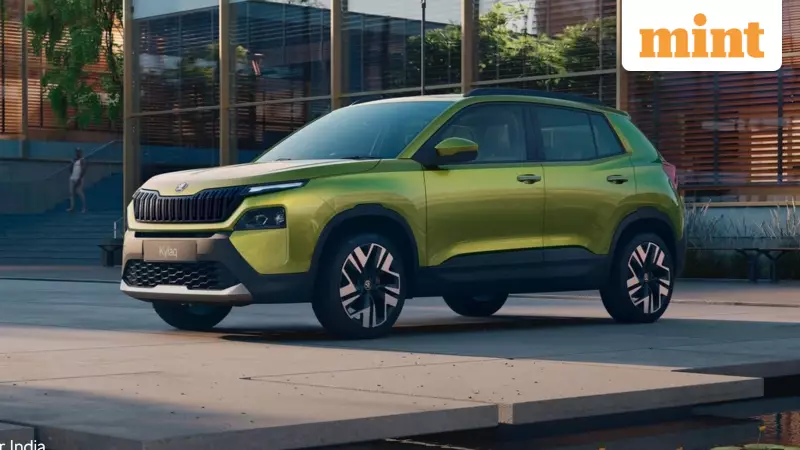
The company is currently evaluating its clean-fuel strategy. This evaluation begins with the Kylaq, Škoda's sub-four-metre compact SUV. Gupta points out that in the Kylaq's segment, CNG vehicles already hold a substantial market share of 20% to 25%. This makes CNG a compelling option for Škoda's immediate plans.

Market Realities and Regulatory Pressures
Current market data reveals interesting dynamics. Electric vehicles constitute about 4% of India's passenger vehicle market. Hybrids account for roughly 2.5%. CNG-powered vehicles, however, command approximately one-fifth of the market. Flex-fuel vehicles are not yet commercially available in India.
The new CAFE-III norms will mandate automakers to reduce emissions across their portfolios. Companies must adopt cleaner fuel technologies to avoid steep penalties. Škoda's approach mirrors similar moves by other global manufacturers. For instance, Ford Motor Co. recently shifted from an EV-only focus to a multi-fuel pathway, including hybrids, after significant financial adjustments.
Premiumization and Product Offensive
Alongside its fuel strategy, Škoda is focusing on premiumizing its lineup. Gupta observes that Indian consumers increasingly demand advanced features across all price segments. Features like sunroofs are now expected in vehicles ranging from ₹4-5 lakh to over ₹1 crore.
Following record domestic sales of 117,000 units in 2025, Škoda plans an aggressive product offensive for 2026. The company intends to undertake nearly 10 product actions. These include introducing three new global icons, two major product upgrades, and new variants across different price points. The recently unveiled Kushaq facelift marks the beginning of this portfolio enhancement.
Competitive Landscape and Strategic Clarity
Škoda's growth efforts align with broader moves by foreign automakers like Honda, Renault, and Nissan. These companies are also launching new products and expanding networks to regain market share. However, competition remains intense as India's top four carmakers strengthen their positions.
Puneet Gupta from S&P Global Mobility advises Škoda to develop a clear five-year strategy for India. With new regulations approaching rapidly, the company must soon finalize its clean-fuel plan. Introducing CNG could help Škoda increase volumes in the Kylaq segment. Additionally, clarity on brand structure and plant operations will be crucial in navigating the competitive market.
Škoda entered India in 2001, preceding Volkswagen's 2007 launch. In 2018, both brands consolidated under Škoda Auto Volkswagen India Pvt. Ltd. to leverage Volkswagen Group synergies. Škoda India serves as the anchor brand for the group, which also includes Audi, Lamborghini, Bentley, and Porsche. The group operates two plants in Maharashtra with a combined annual capacity of up to 200,000 units.