

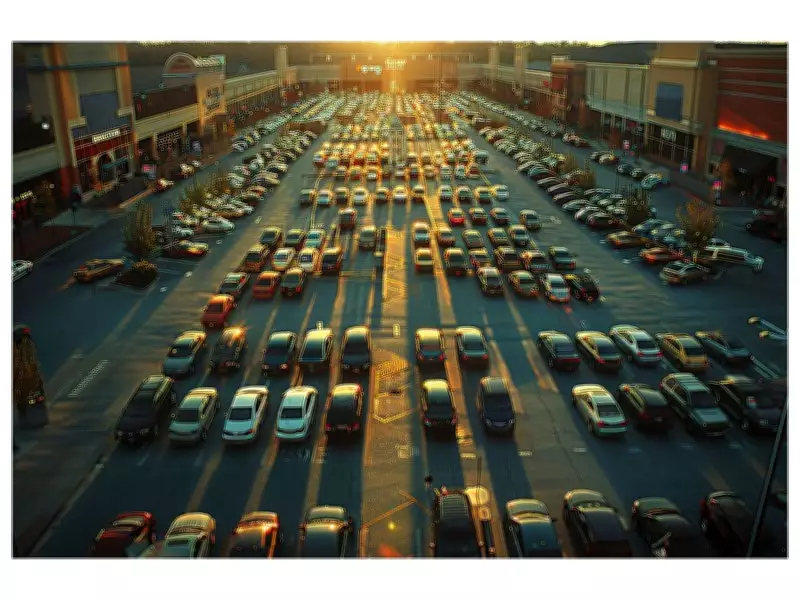
Location, Parking, and Access: The New Pillars of Retail Success in 2026
In the evolving retail landscape of 2026, success is no longer solely determined by marquee brands or flashy storefronts. Instead, it is increasingly engineered through strategic location intelligence, robust parking infrastructure, and seamless accessibility. The post-pandemic consumer has fundamentally recalibrated expectations, prioritizing convenience, predictability, and time efficiency alongside product assortment. In congested urban markets, access has effectively become a form of currency, shaping shopping decisions and driving footfall.
The Shift to Data-Backed Catchment Strategies
Location in organized retail has transformed from a prestige-driven pin code play to a data-backed catchment strategy. Developers are now mapping purchasing density within defined radii, focusing on high-rise residential clusters that offer a ready, repeat customer base. Retail assets integrated into expressways, metro corridors, and dense residential areas are outperforming isolated developments, reflecting the rise of micro-catchment economics. According to Cushman and Wakefield's Q4 2025 report, Gurugram led overall retail leasing with a 63% share, followed by Delhi at 22% and Noida at 15%. Malls secured 56% of quarterly leasing volume, while mainstreets accounted for the remaining 44%.
Infrastructure as the First Anchor Tenant
The new reality is clear: footfall today is planned, and infrastructure serves as the first anchor tenant. Transit-oriented developments near metro stations, arterial roads, and mixed-use hubs are gaining traction as they convert commuter traffic into consumption. For instance, Chandni Chowk in Old Delhi is being reinterpreted through structured access and organized retail overlays, leveraging its central position and extensive metro connectivity. Jatin Goel, Executive Director of Omaxe Group, emphasizes that in such markets, investing in organized access and substantial parking infrastructure, like a multi-level facility accommodating over 2,100 vehicles, transforms the shopping experience and creates a sustainable competitive advantage.

The Critical Role of Parking and Accessibility
Structured, multi-level parking directly influences dwell time, especially during weekends when family outings dominate footfall. For premium and luxury brands, ease of access is non-negotiable; aspiration collapses if convenience is compromised. Developers recognize that inadequate parking leads to abandoned carts and truncated experiences. Moreover, access functions as retail's most powerful marketing lever. Assets along high-speed corridors, such as the Noida-Greater Noida Expressway and Dwarka Expressway, benefit from sustained residential absorption and office densification, with metro expansions further redrawing retail corridors.
Expert Insights on Retail Evolution
Industry leaders highlight the importance of these factors. Yukti Nagpal, Director of Gulshan Group, notes that retail along potential corridors evolves in response to residential and commercial expansion, with accessibility and parking central to performance. Ishwin Singh Hora, Director of Reach Group, states that retail success is determined by location, accessibility, and organized parking, with seamless connectivity sustaining footfall. Umang Jindal, CEO of Homeland Group, adds that retail success is defined by how easily people can access destinations, reducing friction in high-density urban centres. Chirag Desai, Centre Head at Felix Plaza, underscores that accessibility defines velocity in markets like Gurugram, where seamless approach roads and adjacency to residential sectors drive repeat visits.
The New Retail Formula
Therefore, the new retail formula is increasingly structural rather than symbolic. Success rests on four interlinked pillars: location intelligence, structured parking, seamless access, and a curated tenant mix. Developers are acknowledging that even the strongest brand roster cannot compensate for poor approach roads or inadequate parking. Ultimately, retail performance is no longer just about leasing to the right brands; it is about how intelligently the asset is positioned within its movement ecosystem, leveraging infrastructure to lower the cost of attracting and retaining footfall.






