LPG Cylinder Shortage Cripples Hospitality Sector in Key Indian Metros
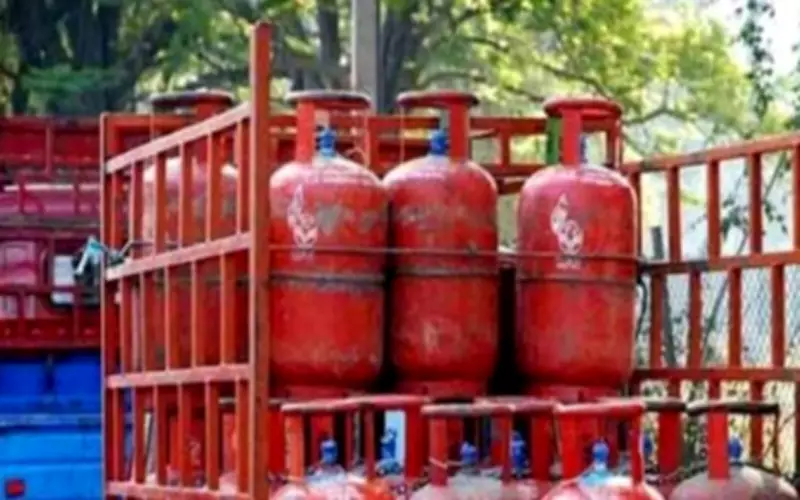
A significant disruption in the supply of liquefied petroleum gas (LPG) cylinders has severely affected the operations of restaurants and hotels across three major Indian cities: Mumbai, Kolkata, and Bengaluru. This shortage, which emerged in early March 2026, has forced many establishments to scale back services or temporarily close, raising concerns about food security and economic losses in the hospitality industry.
Impact on Daily Operations and Customer Service
The scarcity of LPG cylinders, essential for cooking in commercial kitchens, has led to widespread operational challenges. Restaurant owners report difficulties in maintaining regular meal services, with some resorting to limited menus or reduced hours. In Mumbai, popular eateries in areas like Bandra and Colaba have faced delays in food preparation, while in Kolkata, traditional Bengali restaurants have struggled to meet demand during peak hours. Bengaluru's tech hub has seen similar issues, with cafes and fine-dining venues experiencing supply chain bottlenecks.
Hotel chains have also been impacted, with many reporting increased costs due to the need for alternative fuel sources or emergency procurement. This has resulted in higher operational expenses, which could potentially be passed on to consumers in the form of increased menu prices.

Government Response and Supply Chain Analysis
In response to the crisis, government authorities have acknowledged the shortage and initiated measures to stabilize the supply. Officials cite logistical challenges, including transportation delays and distribution inefficiencies, as primary causes. The government is working with LPG suppliers to expedite deliveries and ensure adequate stock levels in affected regions.
Key steps taken include:
- Monitoring LPG cylinder distribution networks to identify bottlenecks.
- Coordinating with state-level agencies to prioritize supplies for commercial establishments.
- Exploring temporary solutions, such as increasing cylinder allocations from neighboring areas.
However, stakeholders in the hospitality sector have called for more robust long-term strategies to prevent future shortages, emphasizing the critical role of LPG in food service operations.
Broader Implications for the Economy and Public
The LPG cylinder shortage extends beyond immediate operational hurdles, posing risks to local economies and public convenience. With restaurants and hotels being major employers in these cities, prolonged disruptions could lead to job losses and reduced tourism revenue. Additionally, consumers may face limited dining options and higher costs, affecting daily life and spending patterns.
Experts suggest that this incident highlights vulnerabilities in India's energy supply chain for commercial sectors, urging for diversified fuel sources and better contingency planning. As the government continues its efforts to resolve the issue, the hospitality industry remains hopeful for a swift normalization of supplies to restore full services.