Nagpur Industries Grapple with LPG Supply Crisis Extending Far Beyond Restaurants
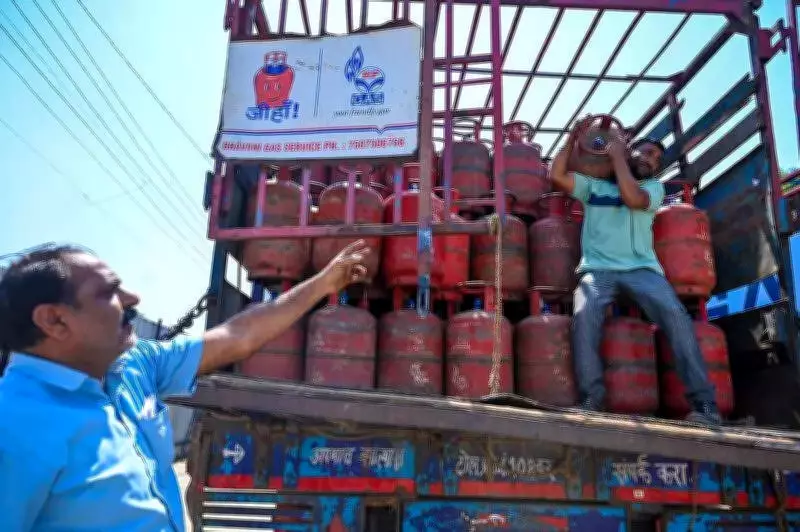
The ongoing rationing of commercial LPG cylinders in Nagpur is creating a widespread industrial crisis, affecting far more than just the city's eateries and restaurants. Major sectors including dal mills, steel fabrication units, and large-scale packaged food manufacturers are now facing severe operational disruptions due to the supply curbs imposed on cooking gas for commercial users.
Food Manufacturing Sector Sounds Alarm
A management source from Haldiram's Snacks Food Private Ltd revealed that the restrictions on fresh LPG supplies would impact not only their restaurant operations but also their manufacturing plants where cooking gas is utilized extensively for food production processes. The company expressed deep concern about maintaining production schedules without reliable LPG access.
Vikram Diwadkar, director at Ajit Bakery, confirmed that while his company received assurances of smooth supply for the next five days, significant uncertainty looms beyond that period. This development comes at a particularly challenging time as many bakeries had recently transitioned from diesel to LPG for their operations, making them especially vulnerable to supply disruptions.

Steel Industry Faces Production Halt Threat
The steel sector, which relies on LPG for critical processes including initial furnace firing, metal cutting, and fabrication work, is bracing for substantial operational impacts. Dipen Agrawal, a prominent steel businessman and president of the Chamber of Associations of Maharashtra Industries and Trade (CAMIT), explained that while LPG quantities used might seem small, the supply curbs would create ripple effects across both large and small steel processing units.
"LPG serves as a crucial industrial fuel for numerous steel processes including heating, melting, heat treatment, and galvanizing," Agrawal emphasized. "Without consistent supply, steel processing units simply cannot operate effectively, potentially leading to complete shutdowns and production halts that would disrupt supply chains throughout the region."
Dal Mills Confront Processing Challenges
Manohar Bhojwani, director of the Nagpur Dal Mill Cluster, detailed how millers depend on LPG for drying pulses that arrive in raw form from agricultural sources. The inherent moisture present in agricultural produce requires reliable drying processes before pulses can be processed for market distribution.
"Our dryers operate exclusively on LPG, and we typically need to replenish our stock every three days to maintain continuous operations," Bhojwani explained. While some mills maintain alternative arrangements using coal or solar-powered dryers, the majority rely heavily on consistent LPG supply for their core processing activities.
Public Sector Impact and Broader Concerns
The crisis extends even to public sector undertakings, with a source from Western Coalfields Limited revealing that their subsidized canteen at headquarters operates using commercial LPG cylinders. Despite attempts to contact oil companies for cylinder replenishment, they received no response, though the canteen currently maintains about a week's worth of cooking gas reserves.
Industry sources confirm that oil marketing companies are currently prioritizing LPG supplies exclusively to households, hospitals, and educational institutions, leaving commercial and industrial users struggling to maintain operations. This policy shift has created widespread anxiety across Nagpur's industrial landscape, with businesses uncertain about how long they can sustain production without reliable fuel access.
The situation highlights the interconnected nature of industrial supply chains and demonstrates how fuel rationing intended for specific sectors can create cascading effects throughout regional economies, potentially impacting employment, production timelines, and market availability of essential goods.