Maharashtra Grape Farmers Demand Strict Law Against Cheating Traders
The Maharashtra Rajya Draksha Bagaytdar Sangh, representing grape farmers across the state, has issued a strong call for the implementation of a strict legal framework to prevent incidents of fraud by bulk purchasers during the crucial harvesting season. This urgent demand comes in response to a pattern of annual cheating cases that have plagued the agricultural community, resulting in significant financial losses.
Recent Incidents Highlight Systemic Problem
Over the past few days, two separate cases of cheating have been reported in Sangli district, involving bulk purchase traders from Andhra Pradesh and Solapur. In these incidents, grape farmers were deceived by traders who failed to release payments after taking possession of the produce. The collective financial loss from these two cases alone amounts to approximately Rs 25 lakh, highlighting the substantial economic impact on individual farmers.
Maruti Chavan, vice-president of Maharashtra Rajya Draksh Sangh, emphasized the severity of the situation. "Recently, we organized a protest march to the district collector's office in Sangli, presenting various demands including the urgent need for a strict law to punish traders who cheat grape farmers," he stated. "Currently, traders who abscond after duping farmers are typically booked for cheating and often secure bail easily. This allows them to quickly resume their fraudulent activities with other unsuspecting farmers."

Annual Pattern of Agricultural Fraud
The association has documented that the grape harvesting season, which typically runs from February through May, witnesses similar cheating incidents every year. These recurring frauds have resulted in cumulative losses worth crores of rupees for Maharashtra's grape farming community over time. While blaming the traders for their unethical practices, the association has also acknowledged that farmers sometimes contribute to their own vulnerability by not taking adequate precautions when entering into agreements.
Most concerning is that these agreements are predominantly based on oral commitments rather than formal written contracts, leaving farmers with limited legal recourse when payments are withheld. Arun Mane, a grape farmer, explained the common modus operandi: "The most frequent form of cheating occurs when a trader initially earns the farmer's trust by paying for the first few consignments of grapes. They then promise to pay for remaining batches at a later date, but ultimately make no payment at all."
Vulnerabilities in the Current System
Mane further elaborated on the systemic vulnerabilities: "Most traders involved in these frauds come from other states. Since deals are based on mutual trust, farmers often don't verify whether the trader actually has the financial capacity to make payments. Sometimes, traders exploit farmers who are eager to sell lower quality produce at higher prices."
To address these vulnerabilities, the association has advised farmers to implement protective measures:
- Insist on advance payments before allowing traders to load trucks with produce
- Avoid being lured by traders promising above-market rates
- Establish more formal agreements rather than relying solely on oral commitments
Economic Significance of Grape Cultivation
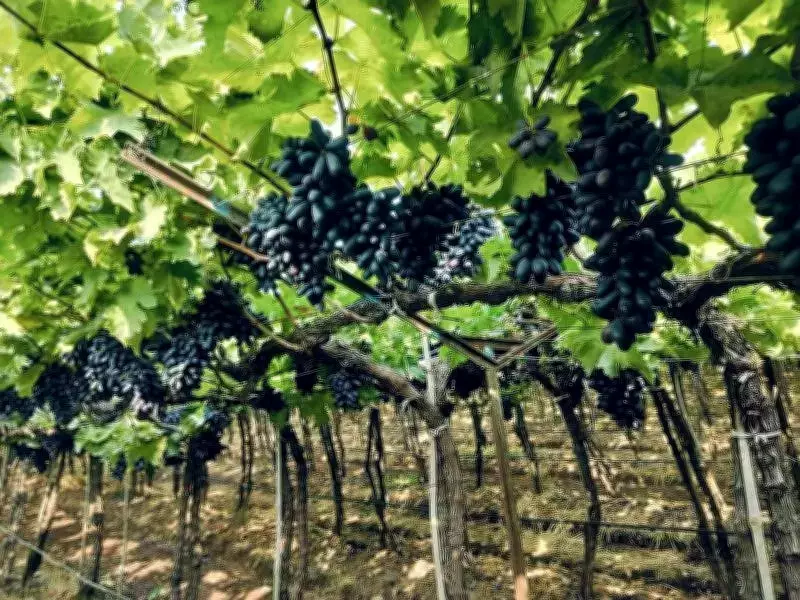
The urgency of addressing this issue is magnified by the economic importance of grape cultivation in Maharashtra. Grapes represent a major horticulture cash crop in the state, cultivated across approximately 3.5 lakh acres on average. The distribution of this production includes:
- Raisin production utilizing grapes from 1 lakh acres
- Export-oriented cultivation covering 25,000 to 30,000 acres
- Domestic sales in major Indian cities from the remaining acreage
The total annual turnover of Maharashtra's grape industry is estimated at around Rs 15,000 crore, underscoring the critical need to protect this vital agricultural sector from fraudulent practices that undermine farmer livelihoods and economic stability.

As the next harvesting season approaches, the Maharashtra Rajya Draksha Bagaytdar Sangh continues to advocate for legislative intervention that would establish stronger penalties for agricultural fraud and create more secure transaction frameworks for grape farmers throughout the state.