

Maharashtra Industries Sound Alarm Over Impending Sulphuric Acid Shortage
Industrial bodies in Chhatrapati Sambhajinagar have issued a stark warning about a potential shortage of sulphuric acid in the coming weeks. The concern stems from the ongoing conflict in West Asia, which has severely disrupted sulphur supply chains originating from the Middle East. This disruption threatens to impact critical manufacturing segments across Maharashtra, including fertilisers, chemicals, metal processing, and textiles.
Supply Chain Vulnerabilities Exposed
Industry representatives emphasize that the core issue lies in the tightening availability of sulphur, the essential raw material for producing sulphuric acid. Sulphur is primarily recovered as a byproduct during crude oil refining processes. Consequently, its availability is intrinsically linked to global crude output and refinery operations. Any disturbance in international supply routes, such as those currently affected by geopolitical tensions, immediately reflects in domestic stock levels and pricing structures.
The gravity of the situation was formally highlighted during a recent high-level meeting between various industrial organisations and Maharashtra's Industries Minister, Uday Samant. Members of the Chamber of Auric Industrial Association presented a dire forecast, warning that if immediate corrective measures are not initiated by state and central authorities, sulphuric acid inventories could begin to deplete significantly within the next 15 to 20 days.

Industry-Specific Impacts and Concerns
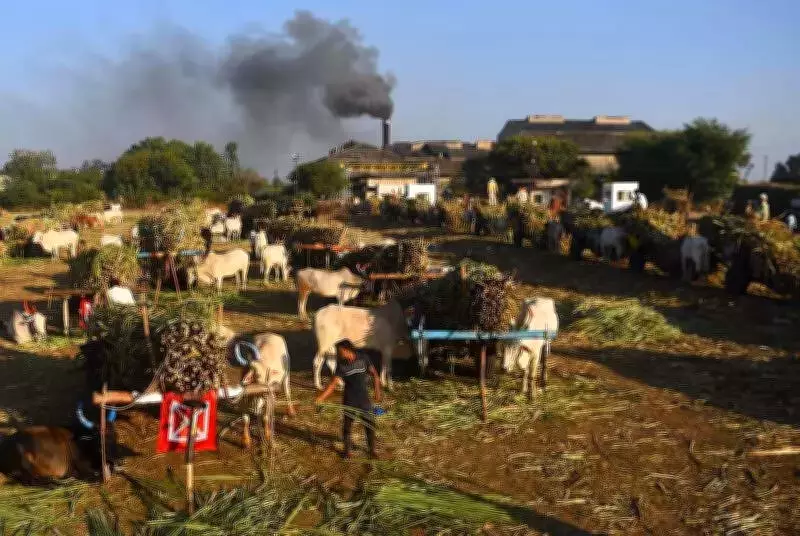
Abhijit Patil, Director of Dharashiv sugar mills and a sitting MLA, provided context for the sugar industry. "While sulphuric acid is indeed used in sugar manufacturing, the immediate impact on sugar mills may be somewhat limited. This is because the current crushing season is nearing its conclusion, and many factories are preparing to shut down operations for the annual off-season. However, if the sulphur supply chain remains disrupted for several weeks or even months, it will definitely have a severe impact on the next crushing season, which is scheduled to begin in a few months," Patil explained.
Echoing this sentiment, Pramod Jadhav, who heads a sugar mill based in Parbhani, stated, "For the immediate present, there is not going to be any significant impact on sugar mill operations. But if the sulphur supply does not resume promptly, and no viable alternative arrangements are made, the situation will become extremely difficult for the industry."
Utsav Machhar, President of the Chamber of Marathwada Industries and Agriculture, pointed out the fertiliser sector's vulnerability. "The fertiliser industry is among the largest consumers of sulphuric acid, using it to produce phosphoric acid and various phosphate-based fertilisers. Any shortage could critically hit fertiliser manufacturing units that rely on a steady, uninterrupted flow of these essential chemical inputs," Machhar warned.
Widespread Dependence Across Manufacturing
A senior chemical engineer from a Waluj-based firm detailed the compound's diverse industrial applications. "Metallurgical industries, including manufacturers of steel pipes and copper products, use sulphuric acid extensively for pickling and surface treatment processes. Chemical producers rely on it for creating dyes, pigments, and a multitude of other industrial compounds. The textile processing sector utilizes it in specific bleaching and treatment stages. Furthermore, detergent and soap manufacturers need it to produce intermediate chemicals, and certain specialised petroleum refining processes are also dependent on it," the engineer elaborated.

Industrialist Sandeep Deshmukh added a crucial perspective on supply chain sensitivity. "The varying sulphur content in crude oil sourced from different regions globally makes this supply chain particularly vulnerable to geopolitical disruptions. Any tightening in the international sulphur market would very quickly be reflected in both the availability and the pricing of sulphuric acid domestically," Deshmukh noted. He also mentioned that while some industries have stock to sustain operations for a week or two, several other sectors that run year-round and depend on sulphuric acid as a critical input are at immediate risk.
Calls for Government Intervention
In response to this looming crisis, industrial associations have urgently appealed to the Maharashtra state government. They are calling for proactive coordination with major refineries, chemical producers, and raw material suppliers. The goal is to ensure uninterrupted access to sulphur-based inputs and to implement contingency plans that can prevent widespread disruptions across the state's multifaceted manufacturing landscape. The situation underscores how regional conflicts can have tangible, cascading effects on global industrial supply chains and local economies.





