Regulatory Victory for Mahindra and Tata in LCV Emission Standards
In a significant regulatory development, Mahindra & Mahindra Ltd (M&M) and Tata Motors Ltd have secured a crucial exemption for light commercial vehicles (LCVs) from the stringent Worldwide Harmonised Light-Duty Test Procedure (WLTP) under Bharat Stage (BS) VI emission norms. This decision, formalized on 4 February, marks a major win for the two automakers, who collectively dominate approximately 70% of India's LCV market. However, this relief has deepened existing faultlines with Maruti Suzuki India Ltd., which is pushing for similar concessions for small cars under separate fuel-efficiency regulations.
Exemption Details and Industry Impact
The exemption applies specifically to N1 category vehicles, or light commercial vehicles weighing less than 3.5 tonnes. Initially, an April 2025 draft had proposed bringing these vehicles under WLTP compliance, but the final notification now limits the stricter test to passenger cars and light minibuses only. The new rules are set to take effect from April 2027. WLTP is a more rigorous testing standard that measures fuel efficiency, pollutant output, and emissions under realistic driving conditions, making compliance costlier compared to the current Modified Indian Driving Cycle (MIDC) test.
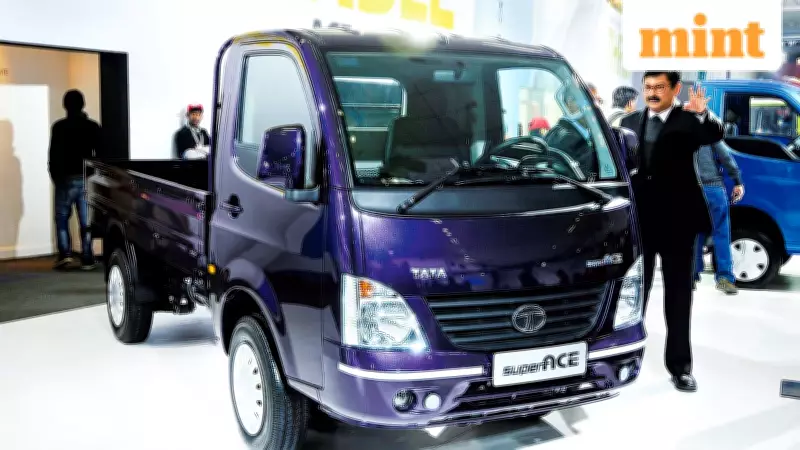
This regulatory relief is particularly impactful for Mahindra and Tata Motors, as it protects the affordability of LCVs, which are often described as serving the "bottom of the pyramid" transport segment. Mahindra's portfolio in this category includes models like the Bolero and Maxx pick-ups, along with the Jeeto truck series, while Tata sells vehicles such as the Ace, Yoddha, and Ultra series. The LCV segment recorded sales of over 582,000 units in the financial year 2025, with Mahindra holding a 44% market share and Tata Motors 27%.

Lobbying Efforts and Economic Arguments
The exemption followed sustained lobbying led by Mahindra, which argued in a June 2025 letter to the Union ministry of road transport and highways that applying WLTP norms to LCVs would increase prices by 5–6%, adversely affecting economically weaker sections. Velusamy R, president of automotive technology and product development at Mahindra, emphasized that this cost impact could reduce affordability and harm the livelihoods of customers in this segment.
This victory represents the second recent regulatory win for M&M and Tata Motors, who had previously secured consensus for exemptions under the proposed third edition of corporate average fuel efficiency (CAFE) norms for LCVs. While BS VI norms cap pollutants per vehicle, CAFE-III aims to limit maximum carbon dioxide emissions across a manufacturer's fleet, and discussions on these norms are ongoing.
Escalating Conflict with Maruti Suzuki
The development intensifies the ongoing tussle with Maruti Suzuki, which dominates the small car segment in India. M&M and Tata Motors have opposed any relaxation for small cars under the final CAFE norms, expected to be notified soon. In contrast, Maruti Suzuki has argued that both small cars and light commercial vehicles cater to economically weaker sections and deserve similar regulatory treatment.
Hisashi Takeuchi, managing director and chief executive of Maruti Suzuki, highlighted this point in an October letter to Shailesh Chandra of Tata Motors, urging the Society of Indian Automobile Manufacturers (Siam) to convey a unanimous stand on LCV relief to the government. Takeuchi noted that the super-small car segment faces immense difficulty in meeting CAFE targets and deserves concessions based on the same principles applied to LCVs.
Environmental and Urban Implications
Despite the relief, environmental concerns persist. Amit Bhatt, India managing director at the International Council on Clean Transportation, pointed out that in cities like Delhi, where restrictions on medium and heavy-duty trucks push urban freight onto smaller N1 vehicles, strengthening emission requirements for this segment is crucial. Applying more rigorous, real-world-oriented testing to LCVs could help manage emissions from last-mile freight movement as cities transition to electric vehicles.

WLTP testing, which includes longer cycles and varied driving conditions, typically results in lower fuel efficiency and higher carbon dioxide emissions compared to MIDC. For electric vehicles, it also helps determine real-world driving range, making it a more accurate measure of environmental impact.
Future Regulatory Landscape
The draft released by the Bureau of Energy Efficiency (BEE) on 28 July proposed extending CAFE norms to N1 category vehicles, indicating ongoing regulatory scrutiny. While Maruti Suzuki supported relief for LCVs, it continues to advocate for similar measures for small cars, setting the stage for further industry negotiations and potential policy adjustments.
Queries to Tata Motors, Mahindra, Maruti Suzuki, and the ministry of road transport and highways regarding these developments remain unanswered, highlighting the sensitive nature of the discussions. As the automotive industry navigates these complex regulations, the balance between affordability, environmental sustainability, and market competition will remain a key focus for stakeholders.