Anand Mahindra's Viral Social Media Post Evokes Automotive Nostalgia
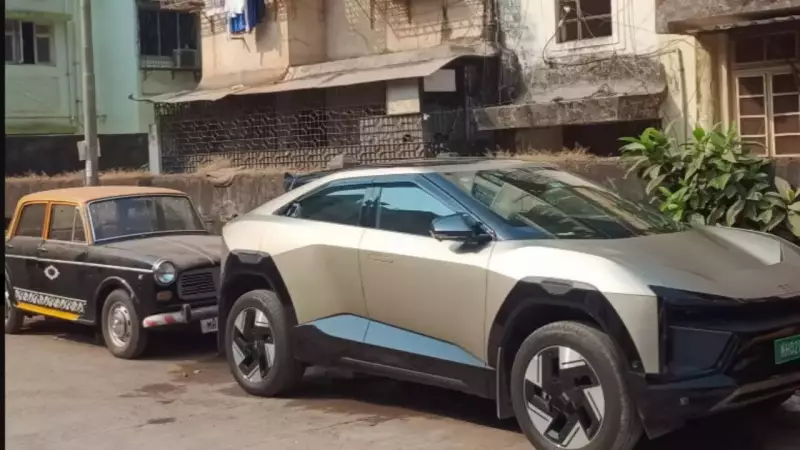
In a quiet yet powerful social media moment, Mahindra Group Chairman Anand Mahindra recently shared a photograph that has resonated deeply across digital platforms and automotive circles. The image, deceptively simple in composition, features two vehicles parked side by side, creating a visual dialogue between India's automotive past and its electric future.
The Photograph That Speaks Volumes
On one side stands a weathered sky-blue Premier Padmini from the 1960s, its faded paint and classic lines telling silent stories of decades past. Contrasting sharply beside it is the sleek, contemporary Mahindra BE 6 electric SUV, representing the cutting edge of modern automotive technology. As social media user Akbar Merchant aptly described it, this single frame captures "the evolution of the Indian automotive industry" in its entirety.
The photograph does more than merely showcase two vehicles; it creates a thoughtful pause between eras. The old and new rest together harmoniously, inviting viewers to reflect on memory, progress, and how automobiles serve as quiet witnesses to the passage of time. These machines transcend their mechanical functions to become repositories of personal and collective history.

Personal Memories: Blue Bell and Family Stories
In his accompanying caption, Mahindra drifted into personal recollection, sharing intimate memories of his family's first car. His mother had affectionately named their Premier Padmini "Blue Bell," transforming it from mere transportation into what Mahindra described as "a part of the family." He recounted how his mother waited five years after placing the booking before finally receiving the vehicle, highlighting how rare and precious car ownership was during that era.
The Premier Padmini carried more than just passengers; it transported rituals, daily habits, and the small ceremonies of everyday life. Mahindra noted that his family's tradition of naming cars began with Blue Bell, a practice born from patience and affection rather than commercial strategy or symbolic intention. This personal anecdote added emotional depth to the technological comparison presented in the photograph.
Bridging Generations of Automotive Experience
The post effectively bridges multiple generations of Indian automotive experience. From his mother's Fiat-based Premier Padmini in the 1960s to today's advanced electric SUVs, India's automotive landscape has undergone dramatic transformation. While roads, technology, and lifestyles have evolved significantly, the photograph suggests an underlying continuity: cars remain vessels for memories and emotions beyond their mechanical specifications.
Mahindra didn't explicitly state this connection, but the sentiment emerged clearly through the visual juxtaposition and his personal narrative. The post demonstrates how automotive evolution encompasses both technological advancement and the preservation of emotional connections to vehicles that have shaped personal and national histories.
Public Response and Shared Nostalgia
The post quickly struck a powerful chord with social media audiences, garnering over 328,400 views and hundreds of comments within a short period. It triggered widespread nostalgia for the Premier Padmini era, with many users sharing their own memories not of engine specifications or speed, but of the journeys, patience, and pride the vehicle represented.
One particularly resonant comment captured the collective sentiment: "The Premier Padmini wasn't just a car; it was a companion through countless journeys, full of stories and quiet pride. 'Blue Bell' is such a perfect, heartfelt name." Several respondents even suggested that Mahindra consider naming a future model Blue Bell, thereby keeping this automotive memory alive in contemporary form.
The overwhelming response demonstrates how automotive history intersects with personal narratives, creating shared cultural touchstones that transcend generations. Mahindra's post has sparked conversations about preservation, memory, and how India's automotive journey reflects broader social and technological changes while maintaining emotional connections to the past.