

Manesar Auto Workers Call Off Protest Following Wage Increase Deal
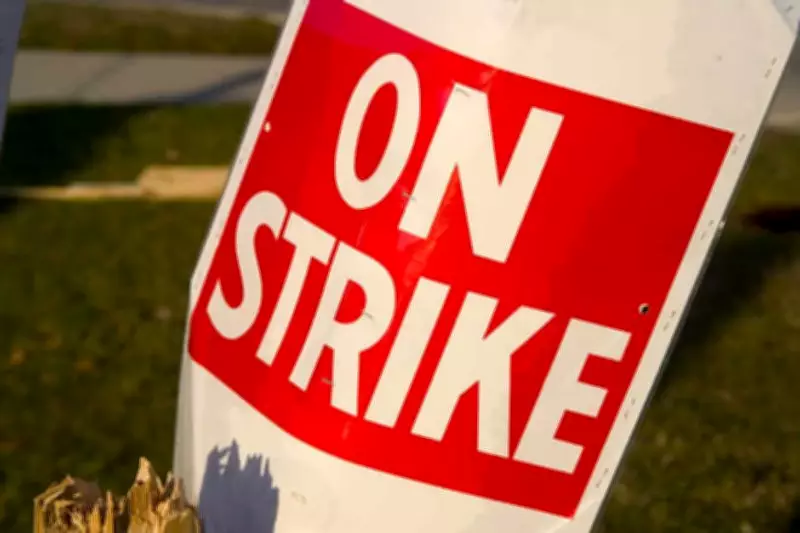
In a significant development for the industrial belt of Gurugram, protesting workers at an auto parts manufacturing plant in Manesar have ended their strike. This decision came after the plant management agreed to implement a wage hike, bringing a resolution to a labor dispute that had been ongoing for several days.
Background of the Labor Unrest
The protest began earlier this week when workers at the facility, which supplies components to major automobile companies, demanded higher wages to cope with rising living costs. The workers, who had been staging demonstrations outside the plant, argued that their current pay scales were inadequate given the inflationary pressures in the region.
The strike led to a temporary halt in production, causing concerns about potential disruptions in the supply chain for the automotive industry. Reports indicated that the protest involved a substantial number of employees, highlighting the widespread dissatisfaction among the workforce.

Negotiations and Resolution
After intense negotiations between worker representatives and the plant management, an agreement was reached to increase wages. While the exact percentage of the hike has not been disclosed publicly, sources suggest it is a significant adjustment aimed at addressing the workers' grievances.
The management has committed to implementing the new wage structure promptly, with assurances that no punitive actions will be taken against the protesting workers. This move is seen as a step towards restoring normalcy and ensuring smooth operations at the plant.
Impact on the Automotive Sector
The resolution of this dispute is crucial for the automotive sector in the National Capital Region (NCR), particularly in Gurugram and Manesar, which are key hubs for auto manufacturing. The area hosts numerous plants that are integral to India's automobile industry, and any labor unrest can have ripple effects on production timelines and supply chains.
Industry experts note that such wage hikes, while increasing operational costs for companies, are essential for maintaining labor harmony and boosting worker morale. This incident underscores the ongoing challenges in balancing profitability with fair labor practices in India's industrial landscape.
Broader Implications for Labor Relations
This wage hike agreement sets a precedent for other manufacturing units in the region, where workers might seek similar concessions. It highlights the growing assertiveness of labor unions in demanding better compensation and working conditions, especially in sectors critical to the economy.
Local authorities have welcomed the peaceful resolution, emphasizing the importance of dialogue in resolving industrial disputes. The incident serves as a reminder of the need for proactive measures to address worker concerns before they escalate into full-blown protests.
As operations resume at the Manesar plant, stakeholders are hopeful that this agreement will lead to improved productivity and a more stable work environment. The outcome is being closely watched by other industries as a case study in effective labor negotiation and conflict resolution.






