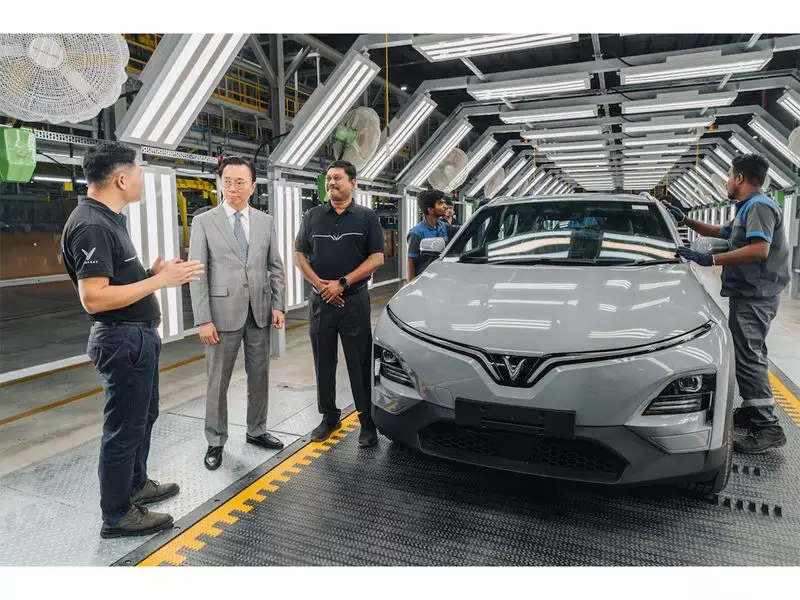
In the competitive landscape of Indian business, two giants have demonstrated extraordinary success by mastering a simple yet powerful principle: the art of paying attention. Maruti Suzuki India Limited and the Tata Group have built their empires not through aggressive marketing alone, but through meticulous observation of customer needs and market gaps.
The Maruti Suzuki Revolution: Listening to Indian Families
When Maruti Suzuki entered the Indian automotive market, they recognized that most families were seeking affordable, fuel-efficient, and reliable transportation. While competitors were focused on luxury features, Maruti paid attention to what the average Indian family truly needed - a car that could navigate crowded city streets while being economical to maintain.
This careful observation led to the development of vehicles like the Maruti 800, which revolutionized personal transportation in India. The company continued this approach by introducing models tailored to specific Indian conditions, including cars capable of handling rough rural roads and vehicles with higher ground clearance for flood-prone areas.

Their success stems from continuously monitoring customer feedback and adapting their products accordingly. This customer-centric approach helped Maruti Suzuki maintain its dominant position in the Indian automotive sector for decades.
Tata Group: Observing Societal Needs
The Tata Group's story follows a similar pattern of success through attention. From steel to software, Tata has consistently identified unmet needs in Indian society and developed solutions accordingly. Their approach goes beyond mere profit-making to addressing fundamental requirements of the nation.
One notable example is the Tata Nano, which, despite its commercial challenges, represented an ambitious attempt to provide affordable mobility to millions. More successful ventures include Tata Motors' commercial vehicles, designed specifically for Indian road conditions and business requirements.
Tata's strategy involves deep market research and understanding local contexts. Whether in hospitality, telecommunications, or consumer goods, the group has demonstrated an uncanny ability to anticipate what Indian consumers will need next.
The Common Thread: Customer-Centric Philosophy
Both organizations share a fundamental philosophy: the customer knows best. Rather than imposing products on the market, they have built their businesses around serving genuine needs they observed through careful attention.
This approach requires continuous engagement with stakeholders, including customers, employees, and community members. Both companies have established robust feedback mechanisms that allow them to stay attuned to changing preferences and requirements.
The results speak for themselves. Maruti Suzuki commands a significant market share in passenger vehicles, while Tata Group has diversified successfully across multiple sectors, becoming one of India's most trusted business conglomerates.
Their journeys demonstrate that in the complex Indian market, success often comes not from loud announcements but from quiet observation and responsive action. The art of paying attention has proven to be one of the most valuable business strategies for these corporate giants.