Maruti Suzuki Makes Formal Entry into India's EV Market with e-Vitara Launch
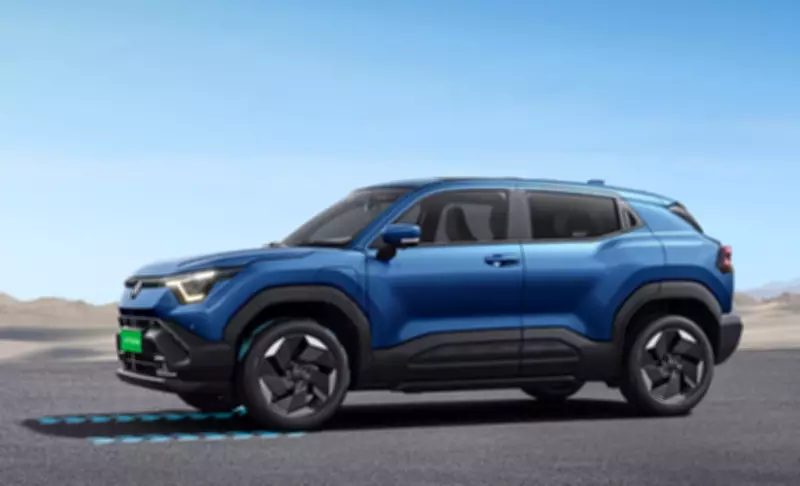
India's electric vehicle landscape is poised for significant transformation as automotive giant Maruti Suzuki officially enters the competitive segment with the launch of its all-new e-Vitara. The company has announced an aggressive starting price of Rs 10.99 lakh (ex-showroom), accompanied by an innovative Battery-as-a-Service ownership model priced at Rs 3.99 per kilometer.
Revolutionary Battery-as-a-Service Model Redefines EV Ownership
Maruti Suzuki's strategic approach centers on the groundbreaking Battery-as-a-Service (BaaS) framework, which fundamentally separates battery costs from the vehicle's purchase price. This innovative structure dramatically reduces the initial financial barrier for consumers, allowing them to pay based on actual driving usage rather than bearing the full battery cost upfront.
Partho Banerjee, Senior Executive Officer for Marketing and Sales at Maruti Suzuki India, emphasized that the company is "not just launching a product but launching an overall ecosystem." He detailed the company's comprehensive strategy to address common consumer concerns:

- Extensive charging infrastructure across the Nexa network and nationwide workshops
- Specialized training for 150,000 technicians in EV servicing protocols
- Mobile service vans equipped with charging support for emergency roadside assistance
- Robust after-sales support network spanning the country
Competitive Pricing and Market Positioning
The ex-showroom price translates to an approximate on-road cost of Rs 11.3 lakh in Delhi, factoring in standard insurance requirements. While Maruti Suzuki has not yet disclosed pricing for non-BaaS options or additional variants, company representatives confirmed these details will be announced in the coming days, with bookings expected to commence shortly.
Industry analyst Gaurav Vangaal, Associate Director at S&P Global Mobility, noted: "Maruti Suzuki's aggressive BaaS pricing combined with usage-linked battery EMI reflects its trademark strategy of disrupting segments even when entering late. However, the real test will be whether Indian consumers continue to prioritize economics and reliability, or shift toward futuristic designs and feature-loaded offerings from local competitors."
Strategic Implications for India's EV Ecosystem
Maruti Suzuki's formal entry into the electric vehicle market represents a watershed moment for India's automotive industry. The company's established market presence, extensive service network, and reputation for reliability position it uniquely to accelerate EV adoption across diverse consumer segments.
The e-Vitara launch signals intensifying competition in India's rapidly evolving electric mobility space, with traditional automotive leaders now directly challenging newer EV-focused manufacturers. This development is expected to drive innovation, improve affordability, and expand charging infrastructure nationwide as companies compete for market share in this strategically important sector.