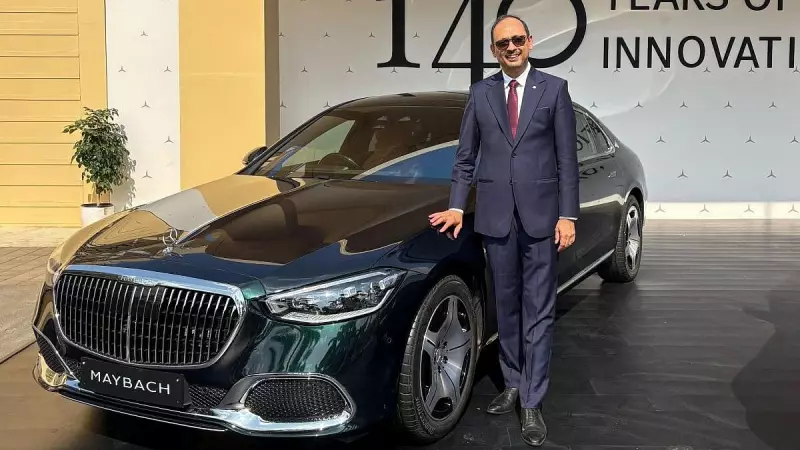
Mercedes-Benz India CEO Advocates for Customs Duty Rationalization on Luxury Cars
Mercedes-Benz India's Chief Executive Officer has made a strong appeal for rationalizing customs duties on imported luxury cars. He specifically highlighted the need for reforms in this area, drawing a parallel with recent tax changes in India.
GST 2.0 Cited as Positive Precedent
The CEO pointed to GST 2.0 as an excellent example of successful tax rationalization. He noted that the government implemented rate rationalizations under this framework last year. He described this move as a very positive step for the industry and the economy.
The same approach should now extend to customs duties, he emphasized during his statement. The executive believes that applying similar rationalization principles to import duties would benefit both consumers and the automotive sector.

Current Customs Duty Structure for Luxury Vehicles
India currently imposes significant customs duties on imported luxury cars. These duties can reach substantial percentages of the vehicle's value. The high costs ultimately get passed on to consumers through increased showroom prices.
Industry experts have long argued that reducing these duties could:
- Make luxury vehicles more affordable for Indian buyers
- Increase sales volumes for premium car manufacturers
- Generate more revenue through higher transaction volumes
- Create a more competitive market environment
Potential Impact on the Luxury Car Market
If implemented, customs duty rationalization could transform India's luxury automotive landscape. Lower import duties would likely lead to more competitive pricing across premium vehicle segments. This change could particularly benefit brands like Mercedes-Benz that import significant numbers of high-end models.
The CEO's comments come at a time when India's luxury car market shows promising growth potential. However, high taxation remains a significant barrier for many potential buyers. Industry leaders hope that policymakers will consider this appeal seriously during future budget discussions.
The call for duty rationalization reflects broader industry sentiment about making luxury vehicles more accessible in India. As the market continues to evolve, such tax reforms could play a crucial role in shaping its future trajectory.