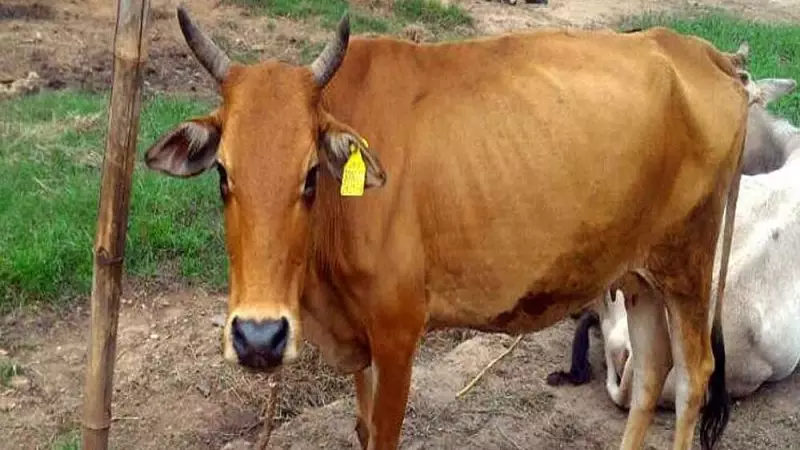
Madhya Pradesh's Innovative Popcorn Plan for Cows
The government of Madhya Pradesh has launched a new initiative to improve dairy farming in the state. This plan involves using popcorn as a key ingredient in cow feed. Officials believe this approach will help increase milk production and support local farmers.
How Popcorn Benefits Cows
Popcorn is rich in carbohydrates and fiber, making it a nutritious addition to traditional cattle feed. When mixed with other feed components, it provides cows with extra energy. This can lead to better health and higher milk yields. Farmers in Madhya Pradesh are now being encouraged to adopt this method.
The state aims to make dairy farming more profitable and sustainable. By using popcorn, which is often a byproduct of maize cultivation, the plan also reduces waste. This aligns with efforts to promote eco-friendly agricultural practices.

Support for Farmers
Authorities are providing training and resources to help farmers implement the popcorn-based feed. This includes workshops on proper mixing techniques and nutritional benefits. The initiative is part of a broader strategy to boost the rural economy in Madhya Pradesh.
Many farmers have already reported positive results. They note that their cows appear healthier and produce more milk since switching to the new feed. This has increased their income and improved livelihoods in farming communities.
Future Goals and Impact
The government plans to expand this program across more districts in Madhya Pradesh. Officials hope it will set an example for other states to follow. By focusing on innovative solutions like popcorn feed, they aim to strengthen India's dairy sector overall.
This move comes at a time when dairy farming faces challenges such as rising feed costs and climate change. The popcorn plan offers a cost-effective and resourceful alternative. It demonstrates how simple ideas can lead to significant improvements in agriculture.
In summary, Madhya Pradesh's popcorn initiative is a practical step towards enhancing dairy production. It supports farmers, promotes sustainability, and contributes to the state's economic growth. As more farmers adopt this method, the benefits are expected to multiply across the region.