MSRTC Pune Announces Major Bus Fleet Expansion Amid Growth Concerns
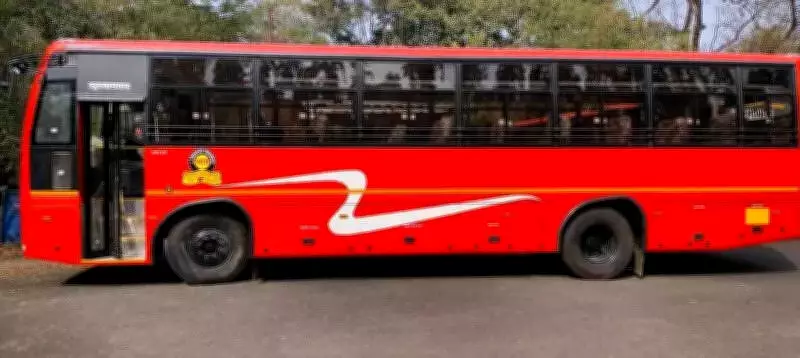
Officials from the Maharashtra State Road Transport Corporation (MSRTC) have declared that the public transport utility is set to receive a substantial boost of approximately 8,000 new buses over the next six to eight months. This announcement comes in response to a recent state economic survey report that highlighted only marginal growth in the MSRTC fleet over the past year.
Current Fleet Statistics and Passenger Trends
According to the economic survey report, the MSRTC fleet consisted of 15,710 buses in the financial year 2024-25. By FY 2025-26, this number had increased slightly to 16,199 buses, representing a growth of fewer than 500 vehicles. Daily operational figures followed a similar pattern, rising from 14,361 buses on the road in 2024-25 to 14,926 in 2025-26.
Despite this modest increase in fleet size, passenger numbers actually declined during the same period. The corporation reported a drop from 57.45 lakh passengers to 55.90 lakh, indicating potential issues with service quality or efficiency that may be driving commuters to alternative transport options.

Planned Expansion and Delivery Schedule
Abhijit Bhosle, MSRTC Public Relations Officer, confirmed the corporation's commitment to adding 8,000 diesel buses to its fleet. "Deliveries will begin next month, with 300 to 500 buses joining our fleet each month," Bhosle stated. "Our goal is to reach a total fleet of 24,000 buses by the end of 2026. We expect to receive all the new buses by October this year."
The new buses are scheduled to start arriving in April in monthly batches, marking a significant acceleration in fleet modernization efforts compared to the previous year's performance.
Internal Concerns and Realistic Projections
However, other MSRTC officials speaking on condition of anonymity expressed skepticism about the ambitious expansion targets. One official noted that "nearly 3,000 buses need to be scrapped in 2026-27" due to aging vehicles, which could offset some of the planned growth.
The official further explained: "If we scrap those aging buses and add 8,000 new ones, the fleet might reach approximately 22,000 vehicles. But given the current delivery rate of 300-500 buses per month, it is unlikely we will hit the 8,000 target this year. A more realistic estimate for the year-end fleet size is between 19,000 and 20,000 buses."
Commuters Express Frustration with Modernization Pace
Regular MSRTC users have voiced their dissatisfaction with the slow pace of fleet improvement. Ganesh Karwe, a frequent commuter and small-business owner, remarked: "The figures speak for themselves. The fleet grew by fewer than 500 buses last year. We are experiencing frequent breakdowns and poor maintenance. Because the government hasn't acted quickly enough to improve efficiency, people are increasingly turning to private operators."
Historical Promises and Current Reality
The corporation's track record with previous modernization promises has also drawn criticism from commuters and observers. In 2022, when MSRTC received its first electric bus, officials announced that 5,000 electric buses would join the fleet within three years. To date, only a little over 600 e-buses are operational, and authorities have remained silent about delivery targets for electric buses this year.
Subhal Joshi, a working professional who regularly uses MSRTC services, expressed skepticism: "There are many announcements, but very little work on the ground. Last year, the condition of the Shivshahi bus I took to Solapur was pathetic. Now, they are saying Shivshahi buses will be converted to ordinary buses and new diesel Shiveneri buses will be added. When these buses will actually arrive is anyone's guess."
Looking Ahead: Challenges and Opportunities
The planned expansion represents both a significant opportunity and a substantial challenge for MSRTC. While the addition of 8,000 new buses could dramatically improve service capacity and reliability, the corporation must address several critical issues:

- Managing the retirement of aging vehicles without disrupting service
- Improving maintenance practices to reduce breakdowns
- Restoring passenger confidence to reverse declining ridership
- Meeting delivery timelines that have historically proven ambitious
The success of this expansion initiative will depend not only on timely bus deliveries but also on comprehensive improvements to operational efficiency and passenger experience across Maharashtra's public transport network.