

Mumbai LPG Dealers Mandate PNG Applications for Hotel Cylinder Supply
In a significant development within Mumbai's energy sector, a segment of liquefied petroleum gas (LPG) dealers has initiated a policy requiring city hotels and restaurants to first apply for a piped natural gas (PNG) connection before they can receive deliveries of 19kg commercial cylinders. According to industry sources, this measure is being implemented as a temporary arrangement with the primary objective of encouraging commercial establishments to transition to PNG wherever pipeline infrastructure is available and viable.
Selective Enforcement and Industry Response
Vijay Shetty, president of the Association of Hotels and Restaurants (AHAR), confirmed that delivery personnel from certain gas agencies are insisting on proof of PNG application before handing over commercial LPG cylinders. This practice is currently observed "in select areas" of the Mumbai Metropolitan Region (MMR) and parts of Maharashtra. Shetty emphasized that hotels in these specific pockets must present a copy of their application to obtain the blue 19kg cylinders.
However, Shetty raised concerns about the uniformity of this initiative. "Why are the agencies insisting on having an application made by hotels only in certain pockets or areas of MMR or Maharashtra? Ideally it should be implemented uniformly across MMR or state so that all the hotels get a chance to switch over to commercial PNG in larger numbers and become cylinder free," he stated in an interview with TOI. This selective approach has sparked discussions within the hospitality industry regarding equitable access to alternative fuel options.

MGL's Expansion Efforts and Challenges
An official from Mahanagar Gas Ltd (MGL), the primary supplier of PNG in Mumbai, clarified that applications are being accepted from all hotels and restaurants located "close to existing pipeline networks." The official noted that most large and five-star hotels in the city are already fully connected to piped gas, highlighting progress in certain segments.
Expansion of PNG infrastructure has faced delays, particularly in areas like south Mumbai, where obtaining permissions for road digging has been challenging and associated costs are high. "With fresh support from the Centre and the Maharashtra government, including deemed permissions for pipeline-laying applications submitted earlier, the company is now accelerating work," the MGL official explained. This renewed governmental backing is expected to facilitate faster deployment of pipeline networks across the metropolitan area.
Officials further elaborated that resources are being strategically diverted to maximize new commercial connections, focusing on areas where pipeline proximity makes installations feasible. "There is little point in taking up connections where the nearest gas line is too far," one official remarked, underscoring the logistical considerations involved. The overarching government mandate remains to provide comprehensive gas access throughout Mumbai, with hotels and restaurants able to apply for connections either online or by visiting MGL offices.
LPG Supply Stability and Initiatives for Migrant Workers
Despite the push towards PNG, officials assured that there have been no reports of dry-outs at LPG distributorships, indicating stable supply chains. Commercial LPG allocation, which had previously been restored to 20% of pre-crisis levels, has now been increased to 70%, reflecting improved availability. Additionally, refineries are operating at high capacity, domestic LPG production has been ramped up, and adequate fuel stocks are being maintained to meet demand.
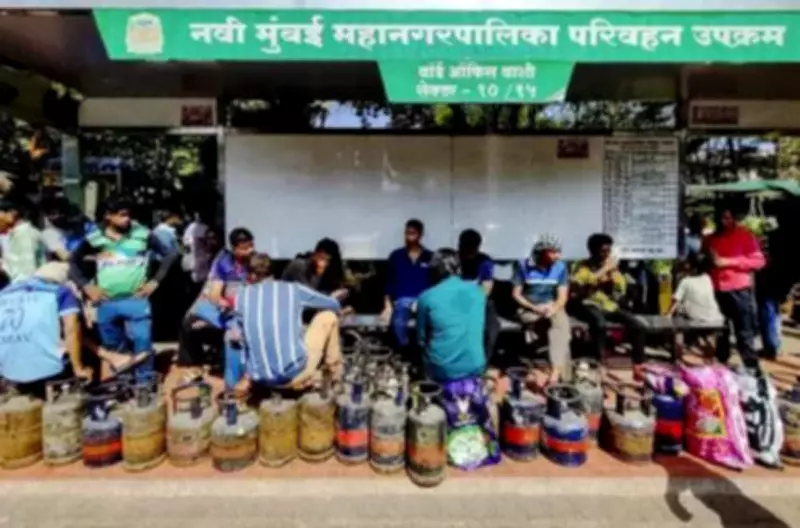
In a related development, LPG dealers across Mumbai have begun distributing 5kg cylinders specifically for migrant workers. This initiative involves checking photo IDs and obtaining signed declarations from recipients. A dealer in the eastern suburbs reported issuing an average of 20-30 such cylinders over the past two days. Nationally, sources indicated that more than 88,000 of these 5kg cylinders have been provided to migrant workers in the same period, showcasing efforts to support vulnerable populations during energy transitions.

This multifaceted approach highlights Mumbai's ongoing efforts to balance immediate fuel needs with long-term sustainability goals, as the city navigates the complexities of energy infrastructure expansion and equitable resource distribution.





