

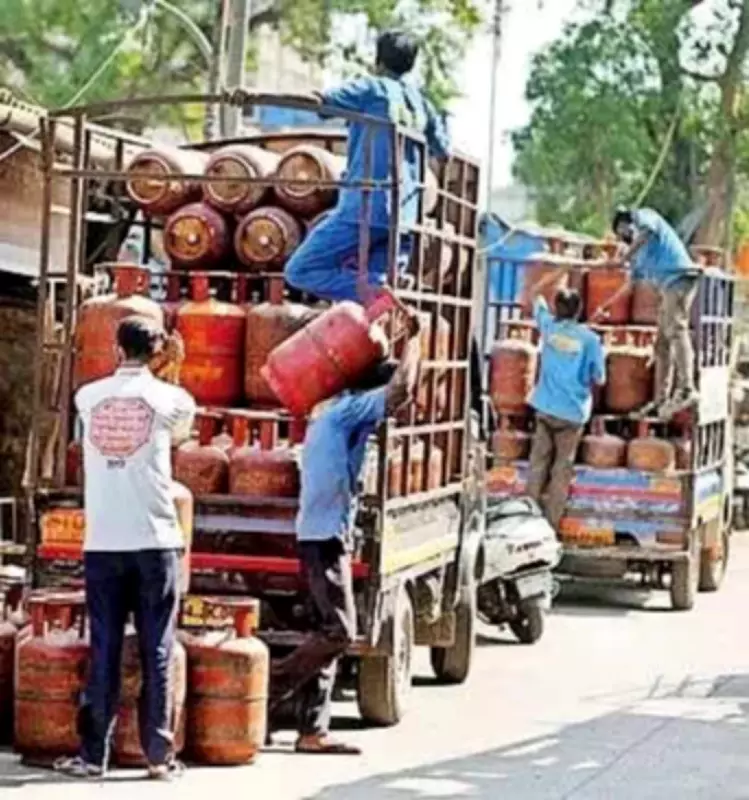
Mumbai Grapples with Severe Commercial LPG Cylinder Shortage
The ongoing shortage of commercial liquefied petroleum gas (LPG) cylinders in Mumbai has escalated into a full-blown crisis, impacting a wide array of sectors across the city. From religious institutions and educational facilities to businesses and hostels, the disruption in supply is forcing many to adapt with restricted menus, alternative cooking methods, or appeals for government intervention.
Religious Institutions Struggle to Feed Devotees
Religious kitchens that provide free meals to devotees are among the hardest hit. Gurdwaras affiliated with Sri Guru Singh Sabha, which offer daily langar meals, are facing immense difficulties in securing cylinders. Some are considering a shift to coal-based cooking methods as a temporary solution.
Sardar Balwinder Singh of the Pantnagar Gurdwara in Ghatkopar highlighted the severity of the situation, noting that the institution also houses 68 cancer patients. "We feed their relatives too. How will we function? Our gas is nearly over," he expressed with concern. Similarly, Dadar Gurdwara's Sardar Kulwant Singh reported over 260 patients residing there and stated they are preparing a representation to the state government to be treated as a special case due to the humanitarian nature of their services.

Other religious centers are also feeling the pinch. The Iskcon temple in Juhu, which serves daily prasad to visitors and cooks meals for 150 sevedars, is closely monitoring its gas reserves, according to spokesperson Parijata Devi. The Mumbadevi temple, known for serving khichdi to devotees after aarti, requires six 14 kg domestic cylinders and four 19 kg commercial cylinders each month, as manager Hemant Jadhav explained. Meanwhile, the Haji Ali Dargah, currently providing Iftar meals to 2,000 rozedars, is anxious about maintaining its supply, said manager Mohammed Taher.
Businesses and Institutions Forced to Adapt
The crisis extends beyond religious settings, affecting various businesses and institutions. The Mumbai Press Club has issued a restricted menu featuring non-LPG items like sandwiches, dry snacks, and tandoori fare "until the situation improves." Mithai manufacturer Vicky Jaisinghani of A1 Sweets in Ulhasnagar reported a dual toll on business from both a shortage of dry fruit from West Asia and the LPG cylinder crisis.
Even working hostels and canteens are not spared. The YWCA women's hostel in Fort, which uses domestic cylinders to cater to 68 residents, faces significant challenges with a 25-day gap for each refill, as a staffer noted. Some establishments, like the Ghatkopar gurdwara, had applied for piped gas connections years ago but still lack supply, exacerbating their reliance on cylinders.
Broader Sectoral Impact and Government Response
The shortage has rippled through multiple sectors, including clubs, educational institutions, the automobile industry, jewellery manufacturers, and pharmaceutical companies. In response to the widespread disruptions, particularly in hotels facing shutdowns in major cities, the government has formed a panel to address the issue. This move comes amid broader concerns about how geopolitical tensions, such as those involving the US, Israel, and Iran, might affect India's oil, LPG, and LNG supplies, though the direct link to Mumbai's current crisis remains under scrutiny.
As the situation unfolds, stakeholders across Mumbai are calling for urgent measures to stabilize commercial LPG supply and prevent further operational halts in essential services.






