Mysuru Hosts 6th Kisan Swaraj Sammelan Celebrating Agricultural Diversity
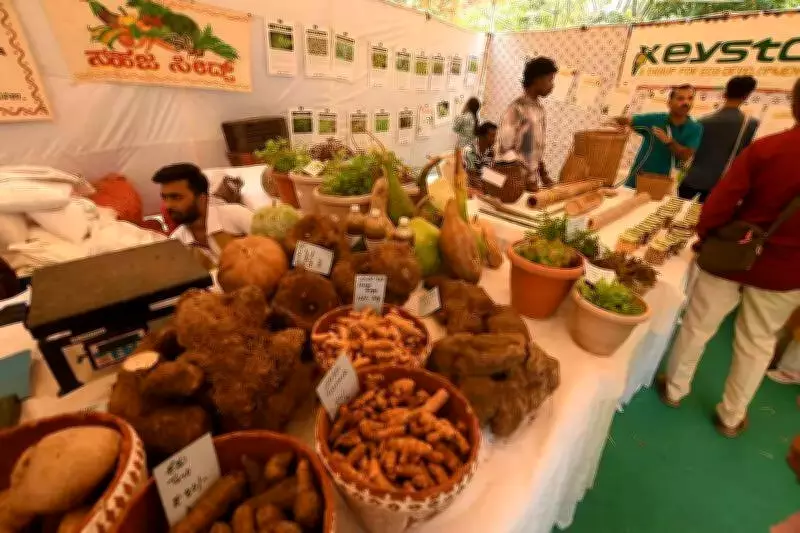
The ongoing three-day 6th Kisan Swaraj Sammelan at the Karnataka State Open University (KSOU) premises in Mysuru is serving as a vibrant platform to showcase India's rich biodiversity and diverse seed varieties. This significant event, jointly organized by the Alliance for Sustainable and Holistic Agriculture (ASHA) and Prasaranga, KSOU, presents practical alternatives to modern farming technologies and practices, emphasizing ecological balance and traditional wisdom.
Comprehensive Program on Sustainable Farming
Alongside day-long seminars, discussions, and film screenings, the Sammelan delves into critical topics such as sustainable farming, development models, weed management, chemical-free agriculture, seed sovereignty, and solutions to human-wildlife conflict. These sessions address contemporary issues concerning Indian farmers while also highlighting urban gardening techniques and traditional recipes that have gradually faded over time. The event actively encourages a return to forgotten diets and heritage food practices.
Showcasing Indigenous Seeds and Rare Varieties
More than 50 seed conservers from across the country have brought indigenous seeds, traditional grains, vegetables, and fruits to the Sammelan. Many rare varieties are available for exchange and sale, fostering community engagement and biodiversity conservation. National award-winning farmer Shaji from Wayanad, Kerala, is exhibiting an impressive collection of over 200 varieties of tubers, including several rare indigenous types. Pubai Greens from Assam has displayed multi-coloured tomato varieties, while groups from Ooty and Kundagol are showcasing speciality beans and giant pumpkins.

Organic Stalls and Live Demonstrations
The Sammelan features 30 organic stalls selling natural farm produce and value-added products in plastic-free packaging, promoting environmental sustainability. Live demonstrations are a major attraction, with Desiri Naturals showcasing traditional bull-driven oil extraction and the Belavala Foundation conducting urban gardening workshops for city residents. Additionally, weavers from Ponduru in Andhra Pradesh are demonstrating the traditional hand-spinning of desi cotton, linking agriculture with textile heritage.
Visitor Engagement and Cultural Impact
The mela is drawing visitors from the general public as well as tourists, including foreigners, who are keen to explore India's agricultural roots. According to attendees, one of the biggest attractions is the focus on organic farming, native seeds, and live demonstrations. "It reminds us of the life of our older generations. It gives glimpses of India's lifestyle to the newer generations who are cut off from farming," said Govardhan Shrihari, a tourist. The event, which will conclude on Sunday, serves as a bridge between past traditions and future sustainable practices, inspiring a renewed appreciation for India's agricultural heritage.