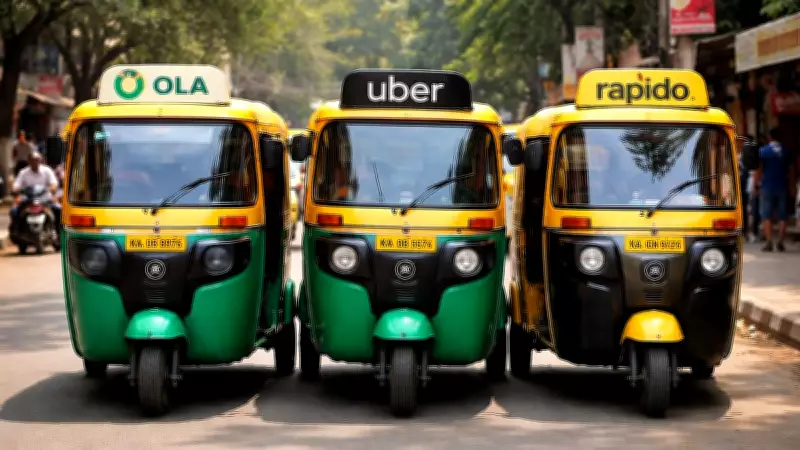
App-Based Taxi and Auto Drivers to Observe Nationwide Day-Long Strike on February 7
In a significant development impacting urban mobility across India, app-based taxi and auto-rickshaw drivers have announced a nationwide day-long strike scheduled for February 7, 2026. This coordinated action is set to disrupt transportation services in major cities and towns, with drivers from prominent platforms like Uber, Ola, and Rapido expected to participate en masse.
Protest Against Mandatory Panic Button Installation
The primary catalyst for this widespread strike is the mandatory installation of panic buttons in vehicles, a regulatory requirement aimed at enhancing passenger safety. However, driver associations and unions claim that this mandate has imposed a substantial financial burden on the drivers themselves. They argue that the costs associated with purchasing, installing, and maintaining these safety devices are being unfairly shouldered by the drivers, exacerbating existing economic pressures in the gig economy sector.
The strike is anticipated to cause significant disruptions to daily commutes and logistics, particularly in metropolitan areas such as Mumbai, Delhi, Bengaluru, and Chennai. Passengers relying on these app-based services for their transportation needs are advised to seek alternative arrangements or plan for potential delays on the strike day.

Driver Grievances and Economic Strain
Driver representatives have highlighted that the panic button requirement, while well-intentioned for safety, adds to a growing list of operational expenses that cut into their already thin profit margins. Many drivers operate on a model where they bear the costs of fuel, vehicle maintenance, and platform commissions, making additional mandates financially unsustainable, they assert. This strike serves as a collective voice against what they perceive as regulatory overreach without adequate financial support or subsidies from either the government or the app-based companies.
The protest is not isolated to a single region but is a pan-India movement, reflecting the widespread discontent among drivers. It underscores the ongoing tensions between regulatory compliance, passenger safety initiatives, and the economic viability of gig workers in India's rapidly evolving transportation landscape.
Potential Impact and Industry Response
As the strike date approaches, industry observers are monitoring the situation closely for potential negotiations or last-minute resolutions. The app-based companies involved have yet to issue official statements regarding the strike or the underlying issues, but the event is likely to prompt discussions on cost-sharing models for safety upgrades.
In summary, the nationwide strike by app-based taxi and auto drivers on February 7, 2026, represents a critical juncture in balancing safety regulations with the economic realities of drivers. It highlights the need for collaborative solutions that address both passenger security and the financial well-being of those who power India's ride-hailing ecosystem.