Quality Control Orders Creating Unfair Market for Small Industries
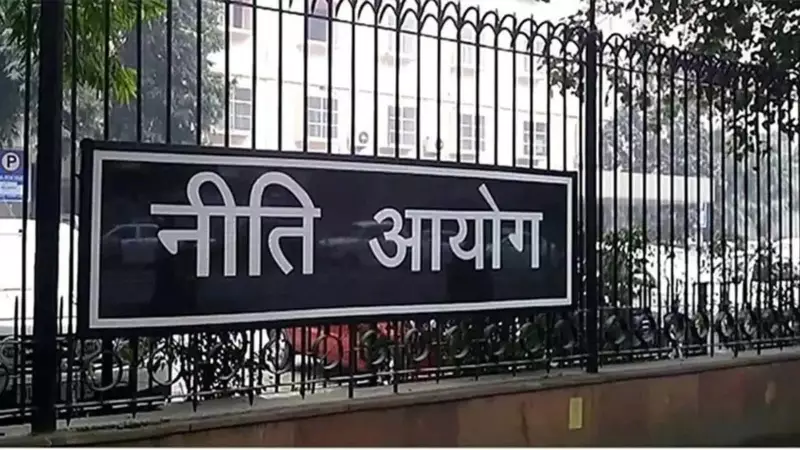
An internal report from NITI Aayog has raised serious concerns about the rapid expansion of Quality Control Orders (QCOs) in India, warning that they are disproportionately harming Micro, Small and Medium Enterprises (MSMEs) while benefiting larger corporations. The unpublished report from the High-Level Committee on Non-Financial Reforms highlights how the dramatic increase from 70 to 790 quality standards over nine years has created significant challenges for smaller businesses.
Supply Chain Disruptions and Rising Costs
The report documents substantial negative impacts on Indian industry, including supply chain disruptions, increased input costs, and production delays for downstream industries. According to the findings, MSMEs face particular challenges in meeting certification, testing, and factory inspection requirements due to financial and logistical constraints.
Testing backlogs at BIS-approved laboratories can extend for several months, while the cost of obtaining and renewing licenses often proves prohibitive for small enterprises operating with limited profit margins. The situation is especially difficult for MSMEs in the domestic tariff area that lack access to exempted import channels available to Special Economic Zones.

Market Concentration and Price Premiums
The implementation of QCOs has led to greater market concentration among domestic suppliers in several sectors, giving them the ability to raise prices significantly above global levels. The report specifically notes that polyester fibre, yarn, and some steel products currently command 15-30% price premiums over international benchmarks.
This price distortion has directly impacted India's export competitiveness, particularly in the apparel sector where the country's global market share has declined despite the withdrawal of anti-dumping duties on select products. The report attributes this decline largely to the increased cost burden on downstream industries.
Specific Recommendations for Reform
The NITI Aayog committee has made several specific recommendations to address these concerns:
- Revoke QCOs on synthetic fibres, plastics and polymers, base metals, and inputs for footwear and electronics sectors
- Suspend QCOs on steel product lines covering raw materials and intermediates while retaining norms for construction and pressure-vessel categories
- Eliminate the Steel Import Monitoring System (SIMS) and No Objection Certificate (NOC) process for steel grades not covered under BIS standards
- Utilize existing mechanisms with the Directorate General of Foreign Trade (DGFT) for monitoring exports and imports
The report emphasizes that in many product categories, finished goods are already regulated through established safety or performance standards, making the extension of QCOs to production inputs unnecessary. This dual application creates administrative burdens and potential ambiguities regarding prevailing standards, particularly evident in steel, copper, aluminium, and polyester value chains.
The concerns about QCO implementation have gained international attention, with the Embassy of Japan in India raising formal complaints about Japanese steel consignments being held up at Indian ports due to NOC requirements. This international dimension underscores the broader economic implications of the current QCO framework.