

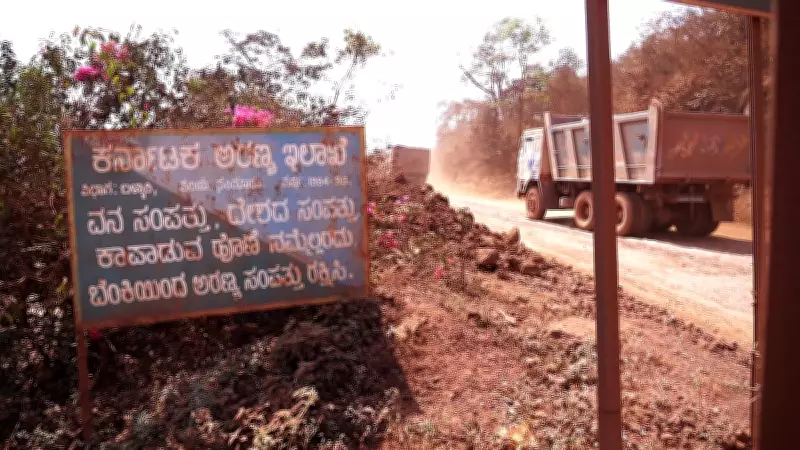
NMDC's Karnataka Iron Ore Mine Under Scrutiny for Environmental Violations
A recent report has highlighted significant environmental compliance issues at the Donimalai iron ore mine operated by the National Mineral Development Corporation (NMDC) in Karnataka. The findings raise serious concerns about the adherence to ecological norms in one of India's key mining regions.
Report Details Non-Compliance with Environmental Standards
The report, which has garnered attention from environmental groups and regulatory bodies, indicates that the NMDC mine is failing to meet established environmental protection measures. Specific violations include inadequate management of waste materials, insufficient dust control mechanisms, and potential contamination of local water sources. These lapses are particularly alarming given the mine's location in the ecologically sensitive Bellary district of Karnataka.
Key areas of concern identified in the report include:

- Improper disposal of mining waste, leading to soil degradation.
- Lack of effective air pollution control systems to mitigate dust emissions.
- Insufficient monitoring of water quality in nearby streams and groundwater.
- Non-compliance with reforestation and land restoration requirements post-mining activities.
Implications for Karnataka's Mining Sector and Environment
This report comes at a time when Karnataka's mining industry is under increased scrutiny for its environmental impact. The Donimalai mine, a major source of iron ore for steel production, plays a crucial role in the state's economy. However, the alleged violations threaten to undermine sustainable development goals and could lead to stricter regulatory actions.
Environmental activists have expressed dismay over the findings, calling for immediate corrective measures. They argue that such non-compliance not only harms local ecosystems but also affects the health and livelihoods of communities residing near the mining site. The report suggests that prolonged neglect could result in long-term ecological damage, including loss of biodiversity and reduced agricultural productivity in the region.
Regulatory Response and NMDC's Position
Authorities in Karnataka are reportedly reviewing the report to determine the extent of the violations and potential penalties. The state's Department of Mines and Geology, along with environmental agencies, may initiate inspections or demand compliance reports from NMDC. Failure to address these issues could lead to fines, operational restrictions, or even suspension of mining licenses.
NMDC, a public sector undertaking under the Ministry of Steel, has not issued an official statement in response to the report. Historically, the corporation has emphasized its commitment to sustainable mining practices, but this incident may prompt a reassessment of its environmental protocols. Industry experts note that compliance with eco-norms is critical for maintaining social license to operate and avoiding reputational damage.
The broader context of this report includes:
- Increasing global focus on environmental, social, and governance (ESG) standards in mining.
- Growing public awareness and activism around industrial pollution in India.
- Potential impacts on Karnataka's reputation as a mining hub if violations persist.
Looking Ahead: Steps for Remediation and Compliance
To mitigate the situation, the report recommends several actions, such as implementing advanced pollution control technologies, enhancing waste management systems, and conducting regular environmental audits. Stakeholders, including local communities and government bodies, are urging NMDC to take prompt corrective measures to restore compliance and prevent further ecological harm.
This incident underscores the need for robust monitoring and enforcement of environmental regulations in India's mining sector. As Karnataka balances economic growth with ecological preservation, the outcome of this case could set a precedent for how similar violations are handled nationwide.






