

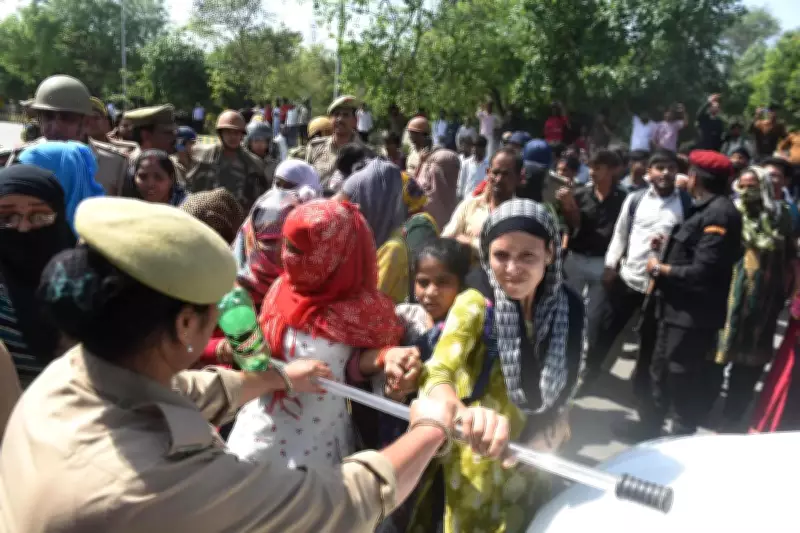
Noida Administration Unveils Comprehensive Worker Safeguards Following Protests
In response to escalating protests by factory workers over inadequate minimum wages, the Noida administration on Sunday implemented a series of protective measures aimed at alleviating tensions across the industrial region. The announcement came after two days of demonstrations, highlighting growing discontent among the workforce.
Key Measures Announced to Protect Workers
The administration has mandated several critical safeguards to enhance labor conditions. These include:
- A compulsory weekly off for all workers, with double pay required for any work performed on that day.
- Double pay for overtime hours, ensuring fair compensation for extra labor.
- Annual bonuses to be disbursed before November 30 each year.
- Salary payments must be completed by the 10th of every month to prevent delays.
- Implementation of medical coverage and workplace safety protocols.
- Establishment of a formal complaints system, led by a woman-headed committee, to address harassment issues.
Administrative Meeting and Official Statements
The decisions were finalized during a joint meeting at the Noida Authority office in Sector 6. Key attendees included District Magistrate Medha Rupam, Authority CEO Krishna Karunesh, Police Commissioner Laxmi Singh, and other officials. Senior labor department representatives, such as Principal Secretary MKS Sundaram and Labour Commissioner Markandey Shahi, participated virtually.

Rupam emphasized the administration's commitment to safeguarding workers' interests, stating that extensive discussions had been held with industrial units in recent days. She reiterated the importance of treating workers with dignity and ensuring they receive medical benefits and safe working environments.
Root Causes of the Protests
The protests gained momentum in Phase 2 after the Haryana government recently increased monthly minimum wages from Rs 14,000 to Rs 19,000, a significant 35% rise. In contrast, Uttar Pradesh's minimum wage remains approximately Rs 13,000, creating a stark disparity that has fueled resentment among Noida's factory workers.
Sundaram noted that the Uttar Pradesh government is actively revising labor laws to strengthen provisions related to minimum wages, timely payments, equal pay for equal work, overtime compensation, regulated working hours, and social security benefits like EPF and ESI.
Additional Initiatives and Industry Response
To further address grievances, the administration has set up a control room with four helpline numbers: 0120-2978231, 0120-2978232, 0120-2978862, and 0120-2978702. Rupam also called for regular inspections of industrial units and encouraged ongoing dialogue between workers and management to resolve disputes promptly.
Noida and Greater Noida, major hubs for electronics, IT/ITES, apparel, textiles, automobiles, logistics, and mobile manufacturing, employ over 10 lakh people. Vipin Malhan, President of the Noida Entrepreneurs Association, acknowledged that worker anger is linked to Haryana's wage revision. He cautioned that a sharp wage increase could strain industries, especially after losses during the COVID-19 pandemic and disruptions from the West Asia conflict. Nonetheless, he affirmed that the industry would comply with government regulations.
These measures represent a significant step toward improving labor conditions in Noida's industrial belt, aiming to balance worker welfare with economic sustainability.






