

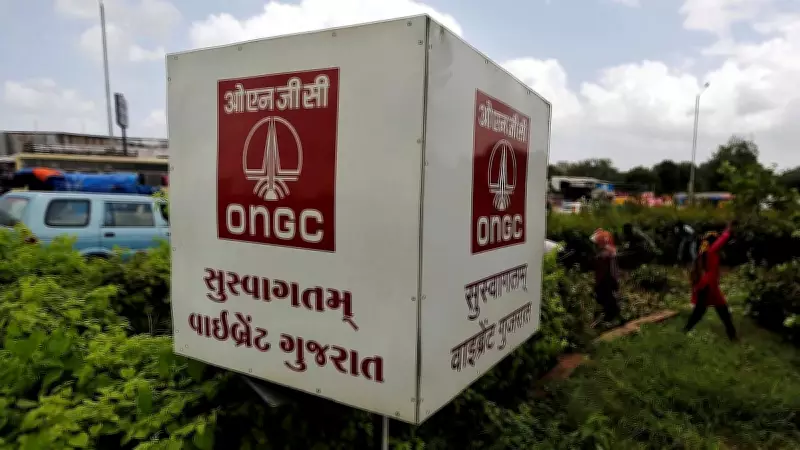
ONGC Launches Gas Production from $1 Billion Daman Offshore Development
In a significant boost to India's domestic energy sector, the state-owned Oil and Natural Gas Corporation (ONGC) has officially commenced gas production from its high-value Daman offshore project. This strategic initiative, located in the Arabian Sea, represents a capital investment of approximately $1 billion and is poised to enhance the nation's natural gas supply while curbing reliance on imports.
Project Details and Strategic Importance
The Daman project is situated in the Tapti-Daman block, approximately 80 kilometers off the coast of Mumbai. It involves the development of a cluster of fields, including the Daman, C-24, and B-12 structures, which are estimated to hold substantial gas reserves. ONGC has deployed advanced offshore drilling and production technologies to tap into these resources efficiently.
This development is part of ONGC's broader strategy to increase domestic hydrocarbon production, aligning with the Indian government's push for energy self-sufficiency. The project is expected to contribute significantly to the country's gas output, supporting industries and households with a cleaner fuel alternative.

Production Capacity and Economic Impact
Initial production from the Daman project is projected to reach around 3 million metric standard cubic meters per day (mmscmd). Over time, this output is anticipated to ramp up, potentially peaking at higher levels as additional wells come online. The gas will be transported via subsea pipelines to onshore processing facilities, where it will be treated and fed into the national gas grid.
The economic implications of this project are substantial, as it is likely to reduce India's liquefied natural gas (LNG) imports, thereby saving foreign exchange and enhancing energy security. Moreover, the project has generated employment opportunities in the offshore and allied sectors, contributing to regional economic growth.
Technological Innovations and Environmental Considerations
ONGC has implemented cutting-edge technologies in the Daman project, including deep-water drilling techniques and automated production systems, to ensure operational efficiency and safety. The corporation has also emphasized environmental safeguards, adhering to stringent regulations to minimize ecological impact in the sensitive marine ecosystem.
- Utilization of advanced seismic imaging for reservoir characterization
- Deployment of remotely operated vehicles (ROVs) for underwater inspections
- Implementation of zero-discharge policies to protect marine life
Future Prospects and Industry Context
The commencement of gas production from the Daman project marks a milestone in ONGC's ongoing efforts to bolster India's energy infrastructure. It comes at a time when the global energy landscape is shifting towards cleaner fuels, with natural gas playing a pivotal role in the transition.
Looking ahead, ONGC plans to further explore and develop adjacent fields in the region, potentially unlocking additional reserves. This initiative supports India's goal of increasing the share of natural gas in its energy mix to 15% by 2030, as outlined in various government policies.
In summary, the Daman project underscores ONGC's commitment to enhancing domestic energy production, driving economic growth, and supporting India's sustainable development objectives. As production scales up, it is expected to play a crucial role in meeting the nation's growing energy demands while reducing carbon emissions.






