Panic Buying Sweeps Ludhiana Petrol Pumps Amid Supply Concerns
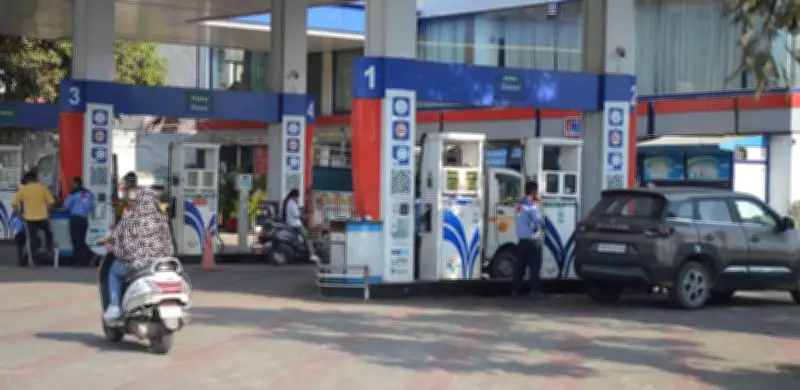
Petrol dealers in Ludhiana have reported a significant surge in panic buying, with residents flocking to fuel stations across the city. This rush has been driven by widespread fears of potential fuel shortages and anticipated price increases, creating chaotic scenes at many pumps.
Drivers Queue Up as Anxiety Spreads
Long queues have formed at numerous petrol stations throughout Ludhiana, as vehicle owners hurry to top up their tanks. Dealers note that this panic buying behavior is unusual for this time of year and appears to be fueled by rumors and concerns over supply chain disruptions.
Dealers Express Concern Over Unprecedented DemandLocal petrol dealers have expressed deep concern over the sudden spike in demand, which has strained their operations. Many stations are experiencing higher-than-normal footfall, with some reporting that their daily sales volumes have doubled in recent days.

The increased demand is putting pressure on the existing supply infrastructure, raising questions about the sustainability of current stock levels. Dealers are closely monitoring their inventories and coordinating with suppliers to ensure adequate fuel availability.
Root Causes of the Panic
Several factors are believed to be contributing to the panic buying phenomenon in Ludhiana:
- Rumors of impending fuel price hikes circulating on social media and through word-of-mouth.
- Concerns over potential supply chain disruptions due to logistical or political issues.
- Historical precedents of fuel shortages during periods of economic uncertainty.
- A general sense of anxiety among residents about future availability and costs.
Authorities are urging calm and assuring the public that there is no immediate threat to fuel supply. However, the panic buying trend highlights the vulnerability of consumer behavior to perceived risks.
Looking Ahead: Stabilizing the SituationPetrol dealers and local officials are working together to address the situation and restore normalcy. Efforts include increasing communication to dispel rumors, ensuring transparent information flow, and bolstering supply chains to meet the heightened demand.
The incident in Ludhiana serves as a reminder of how quickly panic can spread in urban centers, affecting essential services and daily life. It underscores the need for robust crisis management and public communication strategies to prevent similar occurrences in the future.