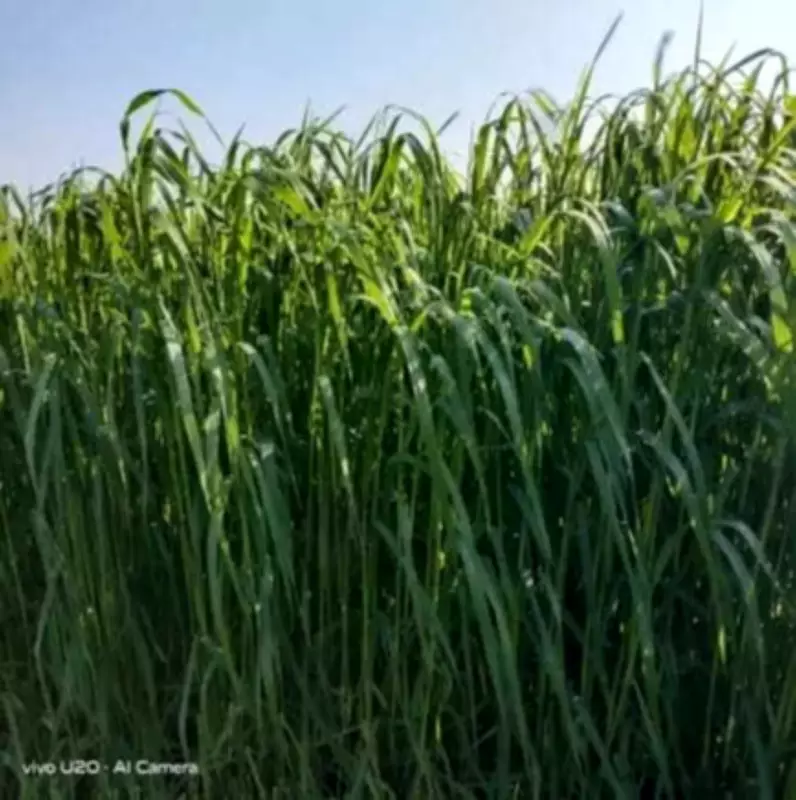
PAU's Three High-Yielding Oat Varieties Secure National Release Approval
In a significant boost for sustainable agriculture and dairy farming, Punjab Agricultural University (PAU) in Ludhiana has achieved national-level identification for the release of three high-yielding oat varieties: OL 1964, OL 1967-1, and OL 1975. This milestone was confirmed through the proceedings of the Varietal Identification Committee (VIC), chaired by Dr. S.K. Pradhan, Assistant Director General (Food and Fodder Crops) of the Indian Council of Agricultural Research (ICAR) in New Delhi. The committee recognized PAU's substantial contributions to sustainable crop development and zone-specific adaptability, following rigorous three-year testing that demonstrated enhanced productivity and robust disease resistance.
Details of the New Oat Varieties and Their Agro-Climatic Suitability
The three oat varieties are tailored to specific irrigated areas across India, each offering unique benefits for fodder and grain production:
- OL 1964: A single-cut variety designed for the central zone, including states like Uttar Pradesh, Madhya Pradesh, Chhattisgarh, Maharashtra, and Gujarat. Over three years of testing, it achieved an average green fodder yield of 492.4 quintals per hectare, outperforming national and zonal checks by 3.5% and 10.1%, respectively. It is moderately resistant to leaf blight and boasts 10% higher crude protein than the national check.
- OL 1967-1: A dual oat variety recommended for the North East zone, covering eastern Uttar Pradesh, Bihar, Jharkhand, West Bengal, Odisha, and North Eastern Region (NER) states. It recorded an average green fodder yield of 235.2 quintals per hectare, surpassing national and zonal checks by 13.9% and 21.3%, respectively. This variety shows moderate to high resistance to Helminthosporium leaf blight and high resistance to Sclerotium root rot, while also exceeding the national check in seed yield.
- OL 1975: A multi-cut oat variety suited for the hill zone, encompassing Jammu and Kashmir, Himachal Pradesh, and the hills of Uttarakhand. It demonstrated an average green fodder yield of 243.0 quintals per hectare, which is 7.7% and 13.2% higher than national and zonal checks, respectively. Additionally, it outperformed the national check in dry matter yield, crude protein yield, and seed yield.
Expert Insights and Future Implications for Agriculture
PAU officials have expressed optimism about the potential impact of these varieties. Dr. S.K. Sandhu, Head of the Department of Plant Breeding and Genetics at PAU, highlighted that these improved lines will not only address fodder and grain needs but also align with goals for sustainable and climate-resilient agriculture. Dr. S.S. Dhatt, Director of Research at PAU, attributed the success to dedicated research, extensive field testing, and collaborative teamwork.

Vice Chancellor Dr. Satbir Singh Gosal emphasized the broader benefits, stating that with their higher yield potential and strong disease resistance, these oat varieties hold great promise for strengthening the country's dairy industry and enhancing farmers' income. This development marks a pivotal step forward in supporting dairy farmers across diverse agro-climatic regions, offering new hope for improved productivity and sustainability in Indian agriculture.