

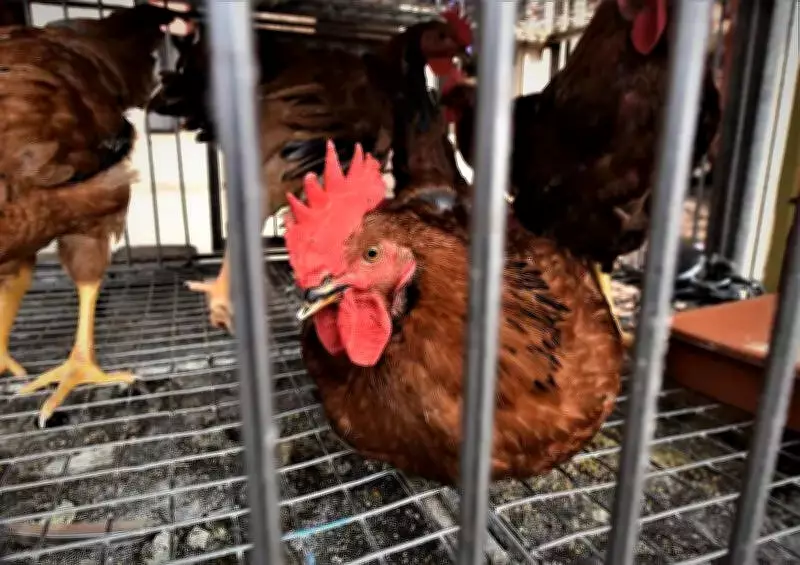
Poultry Industry in Mysuru Faces Severe Price Pressure Amid Multiple Challenges
The poultry industry, a crucial pillar of the rural economy in Mysuru and surrounding regions, is currently experiencing significant turbulence due to persistent price fluctuations. Key products like eggs and chicken have seen notable price declines, creating challenges for farmers and businesses alike.
Egg Prices Show Marginal Recovery After Significant Drop
According to the latest data from the National Egg Coordination Committee (NECC), egg prices witnessed a concerning decline in recent weeks. The wholesale price for 100 eggs dropped to Rs 425 during the last week of March, representing a substantial decrease from previous levels. While there has been a slight recovery to Rs 460 per 100 eggs in wholesale markets, the overall situation remains precarious for producers.
The retail market presents a varied picture across different locations. In rural areas, consumers report paying between Rs 4.5 to Rs 5 per individual egg, while urban consumers typically pay Rs 5 per egg. The NECC has officially fixed the price at Rs 72 for a dozen eggs, but market realities often differ from these official rates.

Multiple Factors Driving Price Declines
Venkatesh, a poultry farmer from Devalapura village who operates his own farm, identified several interconnected factors contributing to the price pressure. "The combination of weak export opportunities, seasonal summer effects, and reduced demand from school mid-day meal programs has created a perfect storm for low prices," he explained.
NECC zonal president Satish Babu offered a cautiously optimistic outlook, suggesting that prices might begin to recover after May 15th with the anticipated arrival of pre-monsoon rainfall. This seasonal shift could potentially stimulate market activity and improve pricing conditions for producers.
Chicken Market Faces Parallel Challenges
The challenges extend beyond eggs to the chicken market, where prices have also experienced significant downward pressure. Consumers report that chicken rates have decreased by approximately Rs 30 to Rs 35 per kilogram compared to earlier periods, representing a substantial reduction that affects both producers and retailers.
Manjesh Kumar Jadhav, general manager at Venkateshwara Hatcheries, provided detailed insights into the chicken market dynamics. He revealed that chicken consumption has declined by around 10% across the state, equivalent to approximately 2 lakh kilograms. This reduction translates to significant revenue losses for the industry.
"The closure of food carts following the LPG crisis has been a major factor in reduced chicken consumption," Jadhav stated. He noted that daily sales in the state currently stand at 13 lakh birds, amounting to 27-28 lakh kilograms of chicken. The price per kilogram has fallen from Rs 140-145 to approximately Rs 106, representing a substantial decrease that impacts profitability across the supply chain.
Industry Outlook and Recovery Signs
Jadhav identified examination seasons and continued food cart closures as primary contributors to the price dip but noted some encouraging signs. "While these factors have certainly contributed to the current situation, we are beginning to see some recovery in the market," he added, suggesting that the worst might be passing for the industry.
The poultry sector's struggles highlight broader economic challenges affecting rural livelihoods and food systems. With weak exports to West Asian countries, seasonal factors, school closures, and the LPG crisis all converging, industry stakeholders face a complex set of obstacles that require coordinated responses and strategic planning for sustainable recovery.






