

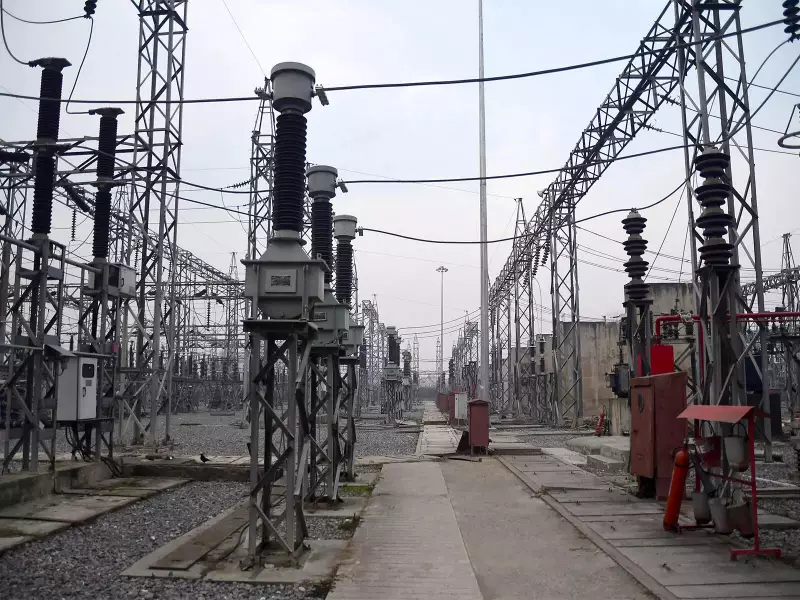
India's electricity grid witnessed a significant surge in demand during the month of December 2024, highlighting the nation's growing energy needs and the impact of weather patterns on consumption. Official data reveals a robust increase, pointing to heightened activity and specific climatic challenges faced during the period.
December Sees Sharp Rise in Electricity Consumption
According to the latest figures, the country's power demand in December 2024 registered a growth of nearly 7% compared to the same month in the previous year. This upward trend is a clear indicator of increasing economic activity and domestic consumption. The demand escalation was not uniform but showed a notable spike during specific periods, largely influenced by environmental conditions.
The most striking data point is the recorded peak power demand, which touched 139,000 Megawatts (or 1.39 Lakh MW). This peak load occurred on a specific date: December 29, 2024. The timing of this peak is crucial for grid operators and planners, as it tests the infrastructure's capacity and resilience.

Cold Wave Drives Unusual Winter Demand
A primary driver behind this unusual winter surge was a widespread and severe cold wave that gripped northern and parts of central India. Unlike typical winters, where power demand often dips from summer highs, the intense cold led to a substantial increase in the use of heating appliances. Households, businesses, and institutions relied heavily on heaters, blowers, and geysers to combat the chill, placing extra load on the power system.
This weather-induced demand underscores a shifting pattern in India's energy consumption profile, where extreme temperatures—both hot and cold—are becoming major factors influencing peak loads. The grid, traditionally geared to handle summer peaks from air conditioning, is now facing significant pressure during winter months as well.
Implications for Grid Management and Future Planning
The successful management of this near-7% demand hike and the 139,000 MW peak reflects on the grid's operational preparedness. Power distribution companies and grid managers had to ensure adequate supply and stable frequency during this period, likely drawing on a mix of thermal, renewable, and hydro sources.
However, this event also sends a strong signal for future infrastructure planning. Analysts suggest that such trends necessitate:
- Enhanced forecasting models that better integrate long-range weather predictions.
- Investment in flexible generation sources that can quickly ramp up during unexpected demand spikes.
- Continued focus on demand-side management and energy efficiency programs to moderate peak loads.
The December 2024 data is more than a monthly statistic; it is a case study in how climate variability directly impacts national energy security. As India continues on its path of economic growth and electrification, building a grid that is resilient to both seasonal and unseasonal demand shocks will be paramount. The 7% rise serves as a timely reminder for policymakers and utilities to future-proof the country's power sector against an increasingly unpredictable climate.






