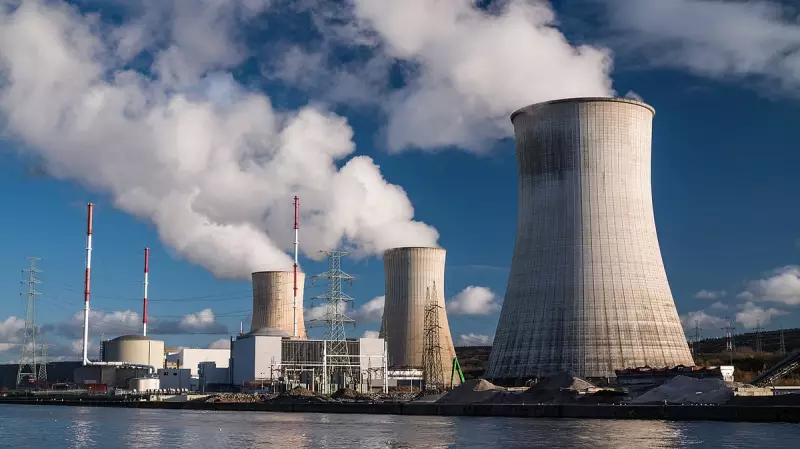
A landmark assessment by India Ratings and Research (Ind-Ra) has projected that opening the nuclear power sector to private investment could unlock a staggering capital influx of around Rs 25 trillion. This move, which marks a significant shift in India's energy policy, promises to accelerate the country's clean energy transition and bolster its power infrastructure.
Ind-Ra's Strategic Recommendations for Private Participation
The credit rating agency has put forth a structured framework to guide this historic opening. Central to its proposal is a cap on the extent of private sector involvement. Ind-Ra suggests that private entities should be allowed to hold a stake of between 25 per cent and a maximum of 49 per cent in nuclear power projects. The remaining controlling stake, at least 51 per cent, would be retained by the government-owned Nuclear Power Corporation of India Limited (NPCIL) or other government entities.
This model is designed to balance the need for massive private capital and technological infusion with the government's imperative to maintain strategic control and oversight over a sensitive sector. The report, highlighted by journalist Mrityunjay Bose, was published on 02 January 2026.

Unlocking a Multi-Trillion Rupee Opportunity
The potential Rs 25 trillion investment opportunity is not just a number; it represents a transformative potential for India's energy landscape. For decades, nuclear power generation has been the exclusive domain of state-run enterprises. Allowing private players to participate can bring in much-needed funds, advanced project management expertise, and potentially faster execution capabilities.
This influx is critical for India to meet its ambitious targets for non-fossil fuel energy capacity and to ensure long-term energy security. The private sector's role could extend beyond mere financing to include aspects of construction, supply chain management, and operational efficiency, all while NPCIL safeguards the nuclear fuel cycle and reactor operations.
Implications and the Path Forward
The implications of this policy shift are profound. Firstly, it can significantly reduce the financial burden on the public exchequer for funding expensive nuclear projects. Secondly, it can stimulate the domestic nuclear component manufacturing industry, creating jobs and fostering innovation. The structured stakeholding pattern recommended by Ind-Ra ensures that while private capital is leveraged, the government retains ultimate authority on safety, security, and regulatory compliance.
As India strives to diversify its energy mix and reduce carbon emissions, the integration of private investment into the nuclear power sector emerges as a pragmatic and powerful strategy. The Ind-Ra report provides a clear, cautious blueprint for this transition, aiming to unlock immense economic value while upholding the highest standards of national interest and safety. The ball is now in the policymakers' court to translate this assessment into actionable policy.