

Punjab Unveils Major Horticulture Expansion to Tackle Water Scarcity
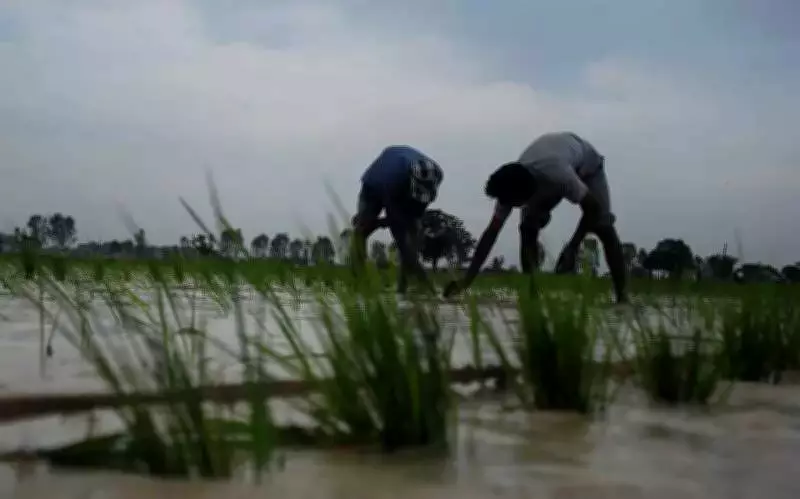
In a bold move to address its severe groundwater depletion crisis, Punjab has announced an ambitious plan to dramatically increase its horticulture footprint. The state, heavily reliant on water-intensive paddy crops, aims to expand the area under fruits, vegetables, flowers, and medicinal plants by nearly 300% by the year 2035.
Strategic Shift Announced in State Budget
Presenting the fifth budget of the Aam Aadmi Party government, Finance Minister Harpal Singh Cheema detailed this transformative initiative on Sunday. The goal is to boost the horticulture area from the current 4.59 lakh hectares to an impressive 17.34 lakh hectares over the next decade. This strategic pivot is designed not only to conserve precious water resources but also to enhance farm profitability through high-value crops.
₹1,300-Crore Project with International Support
To accelerate this transition, the Punjab government will implement a comprehensive ₹1,300-crore horticulture transformation project over the next 10 years. This initiative will be supported by the Japan International Cooperation Agency (JICA), bringing international expertise and funding to the table. The program focuses on promoting climate-resilient and high-value horticulture practices across the state.

Key Components of the Transformation Plan
The project encompasses a wide range of support mechanisms to ensure its success:
- Sustainable Practices: Emphasis on efficient irrigation systems, integrated pest management, and organic cultivation methods to minimize environmental impact.
- Infrastructure Development: Investment in modern mandi infrastructure, cold storage facilities, and processing units to reduce post-harvest losses and improve market access.
- Farmer Empowerment: Extensive training programs and extension services to equip farmers with the latest climate-smart techniques and knowledge.
- Research and Innovation: Support for improved seeds, nurseries, and agricultural research to drive productivity and crop diversity.
Emerging Trends and Challenges
Cheema highlighted that cultivation of high-value crops like dragon fruit is gaining popularity among progressive farmers in Punjab. Through structured training and enhanced extension support, more growers will be encouraged to adopt such lucrative and water-efficient alternatives. However, the shift away from the traditional wheat-paddy cycle, long advocated by the Supreme Court under crop diversification efforts, faces ongoing hurdles. Horticulturists in key areas, such as the citrus-growing belt of Abohar in Fazilka district, continue to encounter significant challenges that need targeted solutions.
Expected Benefits and Long-Term Vision
This horticulture expansion is projected to deliver multiple benefits:
- Economic Growth: Boosting farm incomes by transitioning to higher-value crops that command better market prices.
- Resource Conservation: Significantly reducing water usage compared to paddy cultivation, helping to replenish the state's critically low groundwater levels.
- Environmental Sustainability: Promoting long-term ecological balance through sustainable agricultural practices that reduce chemical inputs and enhance soil health.
By embracing this holistic approach, Punjab aims to not only secure its agricultural future but also set a precedent for sustainable farming in water-stressed regions across India.






