Punjab's Fortified Rice Supply Hits Roadblock Over Pricing Dispute
Bathinda witnesses a growing crisis in the supply of fortified rice kernels. Manufacturers and millers in Punjab express deep concern over the current low prices. Suppliers show reluctance to release their stocks. They point to significant price disparities with neighboring states like Haryana.
The Core of the Fortification Programme
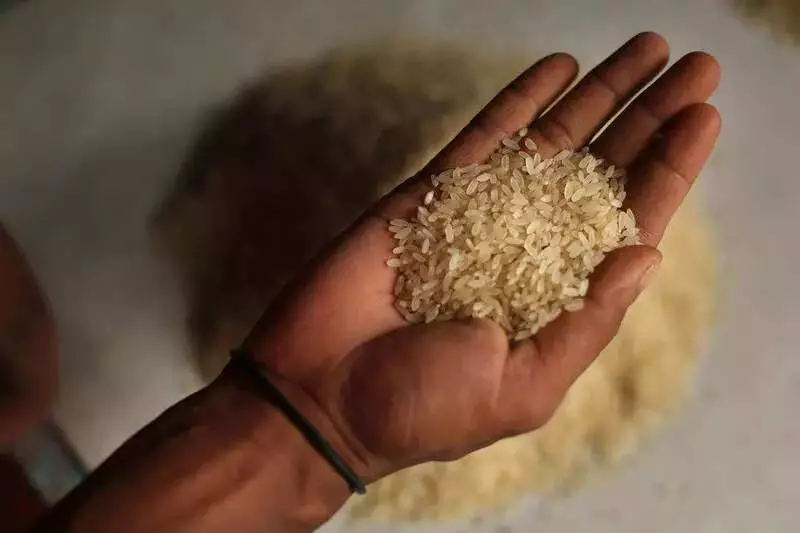
Fortified rice kernels form an essential part of the national rice fortification programme. Millers must blend FRK with custom milled rice before sending it to the national pool. The standard blend requires one kilogram of FRK for every hundred kilograms of rice. Each kernel contains three vital micronutrients: iron, folic acid, and vitamin B12.
The current situation forces many millers to pay well above the approved bid price. They struggle to secure necessary FRK supplies for their operations.

A Stark Price Gap Creates Tension
Punjab accepted its lowest bid at Rs 39.80 per kilogram for FRK. This rate stands in sharp contrast to prices in several other states. In places like Haryana, Madhya Pradesh, and Chhattisgarh, prices reach up to Rs 60 per kilogram. Manufacturers argue this wide gap makes supplying to Punjab economically unviable.
They state their input costs now exceed the price fixed during the tender process. This financial pressure creates a major hurdle for consistent supply.
Procurement Targets and Supply Shortfalls
For the current cycle, Punjab procured over 156 lakh metric tonnes of paddy. Rice millers received this paddy for custom milling. Their obligation involves supplying 105 lakh metric tonnes of rice to the national pool.
To meet this target, millers collectively need 1.05 lakh metric tonnes of fortified rice kernels. With FRK supplies falling significantly short, rice delivery to the national pool remains low. This shortfall threatens to disrupt the entire supply chain.
The Tender Process and Subsequent Challenges
After the tender process concluded, the Rs 39.80 per kg rate received formal acceptance. A total of 125 additional manufacturers agreed to supply FRK at this same price. Each manufacturer committed different quantities. Their combined total aligned perfectly with the state's requirement of 1.05 lakh metric tonnes.
However, problems emerged as milling operations gained momentum late last year. Millers began reporting serious difficulties in securing the required FRK stocks. Many complained they were compelled to pay between Rs 50 and Rs 55 per kilogram. This was far above the tendered rate because manufacturers showed reluctance to supply at the approved price.
Manufacturers stood firm on their position. They insisted their actual production cost was higher than the bid rate. They stated they could not supply unless they received adequate compensation.
The March 31 Deadline Adds Pressure
Millers face a pressing deadline. They must deliver all rice by March 31. After this date, milling becomes less efficient. The paddy turns dry and yields less rice. This looming deadline has intensified their urgency to procure FRK on time. Many are willing to pay above the fixed rate to ensure timely delivery.
Revised SOPs Increase Compliance Burden
Manufacturers highlight a critical change. The standard operating procedure for FRK manufacture and supply was revised after the tender process. Several stringent conditions were added in the new SOP. These additions have significantly increased compliance costs.
Previously, manufacturers would send their samples to NABL-accredited laboratories for testing. Under the revised SOP, the DFPD now collects samples directly. The department approves them only after a detailed and lengthy process.
Furthermore, Punjab's food and civil supplies department issues release orders. These ROs authorize manufacturers to supply FRK to rice millers. Manufacturers argue these added conditions make production and supply far more difficult at the tendered rate.
Prem Goyal, president of the Akhil Bhartiya Sheller Sangh, echoed these concerns. He stated such conditions were unfavourable for FRK manufacturers. Suppliers maintain the current rate does not meet their basic production cost under the revised SOP.

They warn that continuing with the existing pricing may force them to curtail or halt operations. This would directly affect the uninterrupted supply of FRK, which is essential to the rice fortification programme.
Calls for Rate Revision and Market Realities
Manufacturers have made a clear demand. They want the tender rate in Punjab revised to match prices in neighboring states. Alternatively, they seek a rate fixed at a realistic level. This new rate should reflect the revised SOP, actual production costs, and prevailing market rates.
Price comparisons reveal a stark reality. FRK price is Rs 59.85 in Madhya Pradesh, Rs 60 in Chhattisgarh, Rs 58 in Telangana, and Rs 62 in Haryana. In Bihar, the price is reported at Rs 5,800 per quintal, with West Bengal and Odisha seeing rates near Rs 60 per kilogram.
An interesting trend has emerged. Manufacturers from other states are reportedly purchasing FRK from Punjab at lower prices. They then sell it at significantly higher prices in their respective states, exploiting the price arbitrage.
Official Response and Monitoring
Punjab food and civil supplies director Varinder Sharma addressed the issue. He stated that tenders were accepted at a price agreed upon by 126 manufacturers. His department is actively monitoring supplies through the RO system.
Sharma confirmed they had already received complaints. These complaints allege manufacturers are overcharging rice millers. The department is currently examining these claims. The situation remains fluid as stakeholders seek a resolution before the milling season concludes.