

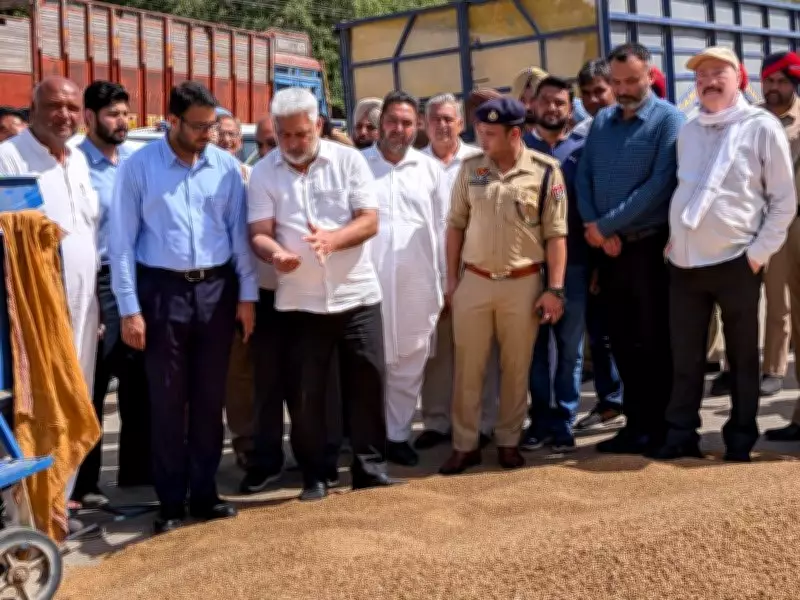
Punjab Wheat Arrivals Edge Up Despite Adverse Weather Conditions
Wheat arrivals in Punjab's agricultural markets, known as mandis, have recorded a marginal increase in recent days, even as the state grapples with the aftermath of widespread rain and hailstorm damage to crops. This unexpected rise in arrivals has sparked discussions among farmers, traders, and agricultural experts about the resilience of the wheat crop and the broader implications for the state's agricultural output.
Weather Woes and Crop Damage
Recent unseasonal rainfall and hailstorms have inflicted significant damage on wheat fields across various districts of Punjab. The adverse weather conditions, which struck during a critical growth phase, have led to lodging of crops, grain shedding, and reduced grain quality in many areas. Farmers report losses ranging from partial to complete destruction of their wheat harvests, with some estimating damage as high as 30-40% in affected regions.
Despite this, preliminary data from mandis indicate a slight uptick in wheat arrivals compared to the same period last year. This marginal rise, though modest, suggests that some farmers are still managing to bring their produce to market, albeit potentially with lower yields or compromised quality. The situation highlights the uneven impact of the weather events, with some areas escaping severe damage while others bear the brunt.

Factors Behind the Marginal Increase
Several factors may explain the marginal rise in wheat arrivals despite the damage. First, the timing of the rain and hailstorms varied across Punjab, with some districts experiencing less severe weather, allowing for relatively better harvests. Second, farmers in damaged areas might be rushing to sell whatever crop they have salvaged to minimize further losses or to take advantage of current market prices.
Additionally, government procurement efforts and support mechanisms could be encouraging farmers to bring their wheat to mandis, even if quantities are reduced. The state's agricultural infrastructure, including mandi operations, has remained functional, facilitating the flow of arrivals. However, experts caution that this marginal increase does not necessarily reflect a healthy crop season and may mask underlying production shortfalls.
Implications for Farmers and the Agricultural Economy
The rain and hail damage pose serious challenges for Punjab's farming community, which relies heavily on wheat as a staple crop. Many farmers face financial strain due to reduced yields and potential quality downgrades, which could affect their income and ability to repay loans. The marginal rise in arrivals might offer some relief, but it is unlikely to fully compensate for the losses incurred.
From an economic perspective, the damage could impact Punjab's overall wheat production, potentially leading to supply constraints and price fluctuations in the market. The state is a key contributor to India's national food grain stocks, and any significant drop in output might have ripple effects on food security and procurement targets. Authorities are monitoring the situation closely, with assessments underway to gauge the full extent of the damage and plan relief measures.
Looking Ahead: Challenges and Responses
As wheat arrivals continue to trickle into mandis, stakeholders are calling for swift action to support affected farmers. This includes compensation for crop losses, insurance payouts, and technical assistance to mitigate future weather-related risks. The marginal rise in arrivals serves as a reminder of the resilience of Punjab's agricultural sector, but it also underscores the vulnerability of crops to climate variability.
In the coming weeks, more data will emerge on the final wheat production figures for Punjab. While the marginal increase in arrivals offers a glimmer of hope, the overall picture remains clouded by the damage from rain and hailstorms. Farmers, policymakers, and market participants will need to navigate these challenges to ensure stability in the state's agricultural economy.






