

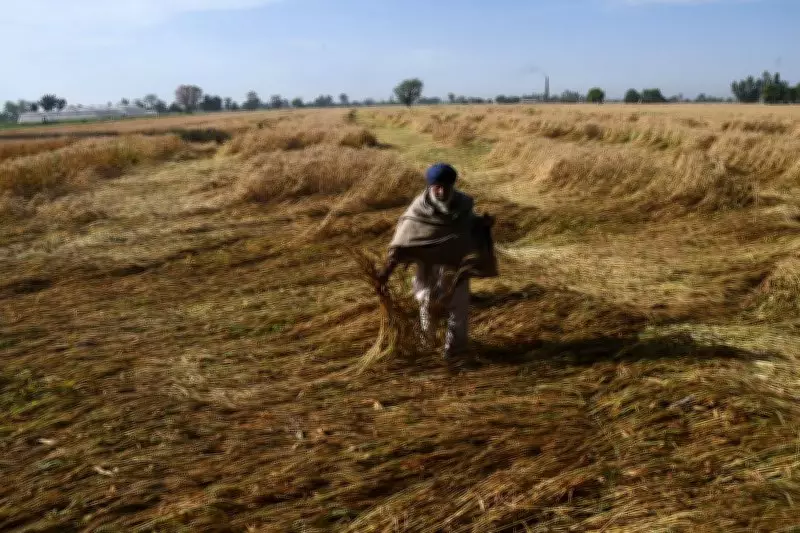
Untimely Rains and Winds Spell Trouble for Punjab's Wheat Crop
Farmers in Punjab are facing a severe agricultural crisis as untimely rainfall and gusty winds have wreaked havoc on the state's standing wheat crop. This unexpected weather event, occurring just ahead of the harvest season, has led to widespread lodging—where crops are flattened—and potential yield losses, threatening the livelihoods of countless agricultural families.
Extensive Damage Reported Across Key Districts
Reports from various districts, including Ludhiana, indicate that the adverse weather conditions have caused significant damage to wheat fields. The heavy rains, accompanied by strong winds, have resulted in crops being uprooted or bent, making them susceptible to diseases and reducing grain quality. This has raised alarms among farmers who were anticipating a bumper harvest after months of careful cultivation.
The timing of this weather disturbance is particularly critical, as the wheat crop is in its final growth stages, and any stress at this juncture can drastically impact output. Agricultural experts warn that if the damaged crops are not salvaged promptly, it could lead to substantial financial losses for farmers, many of whom are already grappling with high input costs and debt.

Implications for Food Security and Economy
Punjab, often referred to as the "breadbasket of India," plays a pivotal role in the nation's food security, contributing significantly to the central pool of wheat. A decline in wheat production here could have ripple effects on national food supplies and prices, potentially exacerbating inflationary pressures. The state government and agricultural departments are closely monitoring the situation, with initial assessments suggesting that the damage might affect thousands of hectares of farmland.
Farmers are urgently calling for support measures, including compensation and technical assistance, to mitigate the impact. They emphasize the need for timely intervention to prevent further deterioration of the crop and to explore options for recovery, such as providing subsidies for replanting or alternative crops in affected areas.
Climate Change and Agricultural Vulnerability
This incident underscores the growing vulnerability of agriculture to climate change, with erratic weather patterns becoming more frequent. Experts point out that such untimely rains and winds are indicative of broader environmental shifts that require adaptive farming practices and robust policy frameworks. Strengthening crop insurance schemes and promoting climate-resilient varieties could be key strategies to safeguard farmers' interests in the future.
As the harvest season approaches, the focus is now on damage assessment and relief efforts. The outcome will not only determine the immediate economic well-being of Punjab's farming community but also test the resilience of India's agricultural sector in the face of unpredictable climatic challenges.






