

Restaurants Impose LPG Surcharge Amid Severe LPG Supply Crisis
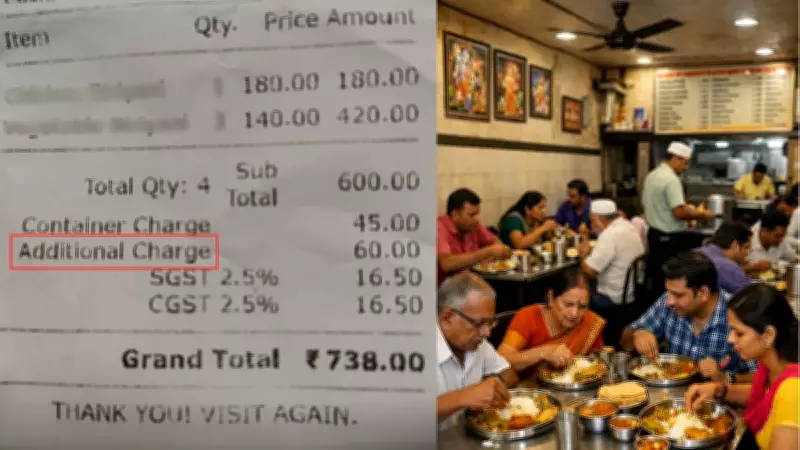
In a significant development impacting India's food service sector, restaurants nationwide are now levying a gas surcharge on customer bills due to a severe Liquefied Petroleum Gas (LPG) supply crunch. This move comes as establishments grapple with skyrocketing operational costs and unreliable gas availability, forcing them to pass on the burden to consumers.
Escalating Operational Challenges for Restaurants
The LPG crisis has created immense operational hurdles for restaurants, many of which rely heavily on gas for cooking and heating. With supply chains disrupted and prices surging, eateries are facing unprecedented challenges in maintaining daily operations. Industry reports indicate that the shortage is particularly acute in urban centers, where demand is high and alternatives are limited.
Many restaurant owners have expressed frustration over the inconsistent supply, noting that it leads to delayed service, reduced menu options, and increased waste. The surcharge, typically ranging from 2% to 5% of the bill, is seen as a necessary measure to offset these rising costs and ensure business continuity.

Impact on Consumers and Broader Economic Concerns
For consumers, the addition of an LPG surcharge translates to higher dining costs, adding to existing inflationary pressures. This development is likely to affect household budgets, especially for families who frequently dine out. Experts warn that if the supply crisis persists, it could lead to more widespread price hikes across the food industry, potentially dampening consumer spending and economic growth.
The situation has also sparked debates about the resilience of India's energy infrastructure and the need for long-term solutions. Stakeholders are calling for government intervention to stabilize LPG supplies and prevent further disruptions to essential services like restaurants.
Industry Response and Future Outlook
Restaurant associations are actively engaging with authorities to address the crisis, advocating for priority allocation of LPG to the hospitality sector. Some establishments are exploring alternative energy sources, such as electric or induction cooktops, but these options often require significant upfront investment and may not be feasible for all businesses.
As the LPG supply crunch continues, the imposition of surcharges highlights the broader economic vulnerabilities faced by small and medium enterprises. The outcome of this crisis will likely shape policies on energy management and support for affected industries in the coming months.






