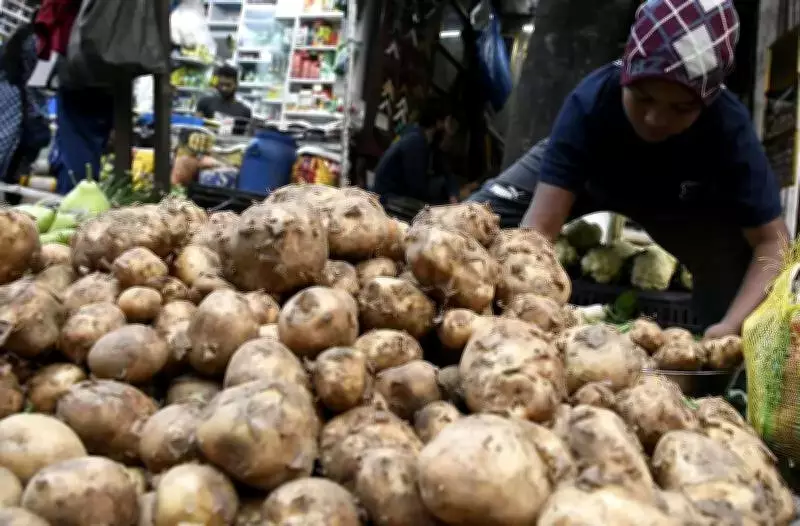
Ropar Horticulture Department Intensifies Efforts to Elevate Potato Cultivation with Certified Seeds
The Department of Horticulture in Ropar district is undertaking sustained initiatives to expand the adoption of quality potato seeds across the region's cultivation areas, according to Paramjit Singh, Assistant Director of Horticulture, Ropar. Singh emphasized that potato stands as one of the most crucial vegetable crops, with the district boasting the largest area under potato cultivation compared to other horticultural crops. However, he noted a significant challenge: much of this area lacks certified seed coverage, leading to suboptimal productivity and quality that fails to meet desired standards.
Addressing Awareness Gaps Through Educational Initiatives
Paramjit Singh highlighted that a primary barrier to improvement is the lack of awareness among farmers, who often overlook the importance of using high-quality potato seeds for production. To combat this issue, the department, operating under the National Horticulture Mission, organized a one-day exposure visit for farmers from Ropar, Nurpur Bedi, and Sri Anandpur Sahib blocks. This visit took them to the Centre of Excellence for Potato located in Dhogri, Jalandhar.
During the event, Chaturjeet Singh Rattan, Horticulture Development Officer (Vegetables), underscored that successful potato cultivation heavily relies on seed quality. He pointed out that modern technologies, such as tissue culture and aeroponics, have become essential for producing disease-free, particularly virus-free, potato seeds in today's agricultural landscape.

Showcasing Advanced Technologies and Subsidy Opportunities
The main objective of the exposure visit was to educate farmers about these advanced methodologies employed at the centre. Rattan guided participants through the facility, explaining that the department has established a tissue culture laboratory where potato plantlets are generated. These plantlets are subsequently distributed to farmers for mini tuber production using aeroponic units and net houses.
Farmers were given a comprehensive tour of the aeroponic unit, net house, small cold storage facility, and modern machinery available at the centre. Rattan advised farmers to shift their focus from producing table potatoes to cultivating seed potatoes, given the high demand for quality potato seeds across various states in India. This strategic move could lead to higher profits through the sale of certified seeds.
Furthermore, Rattan informed attendees about the financial incentives available under the National Horticulture Mission. A 50% subsidy is offered for net house units necessary for producing mini tubers from potato plantlets. He urged farmers to maximize their utilization of this scheme to enhance their agricultural practices and economic returns.